
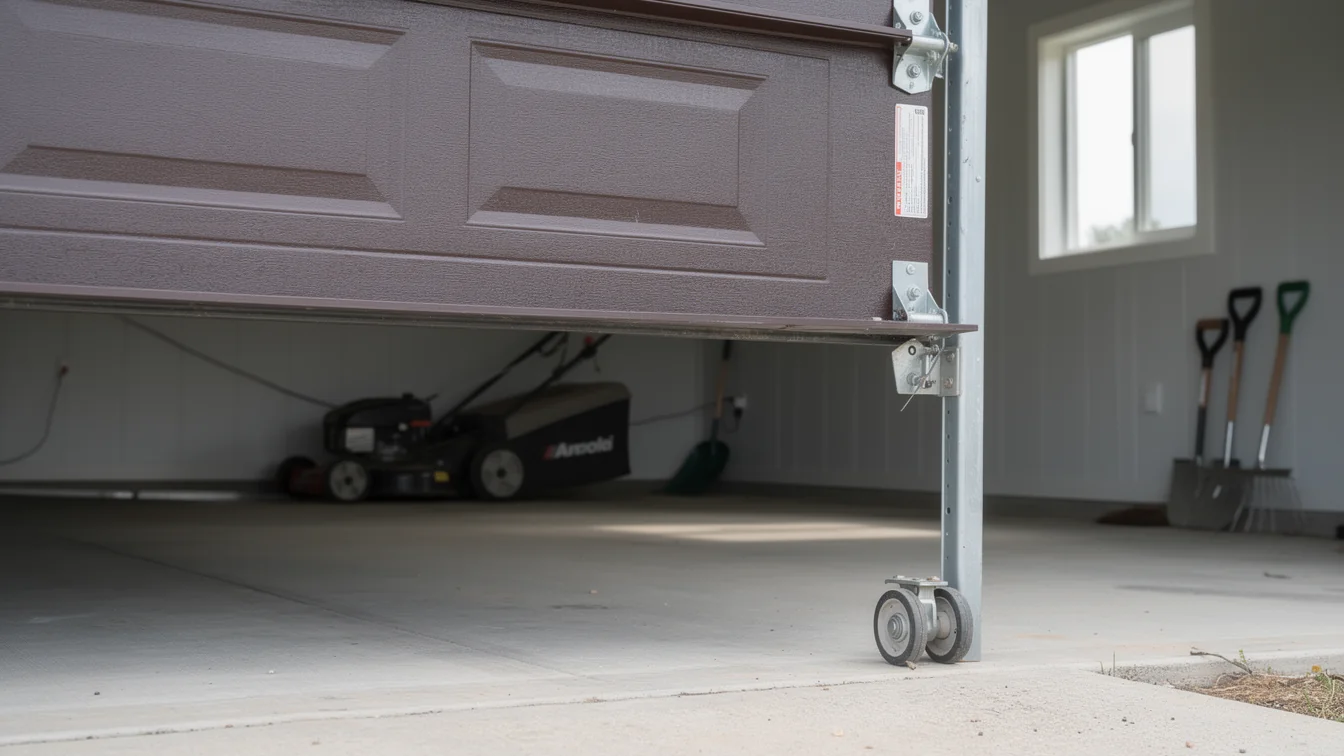
 Why Your Garage Door Jumps the Track
McDonough homes built mostly in the 1960s-70s have track hardware that wasn't made for today's loads.
Old Doors, No Insulation: What McDonough Homeowners Are Dealing With
McDonough homes built 1960s-70s often have single-layer steel doors with no insulation. Here's how to tell, and when it's worth replacing versus patching.
Local detail
When to Get Help
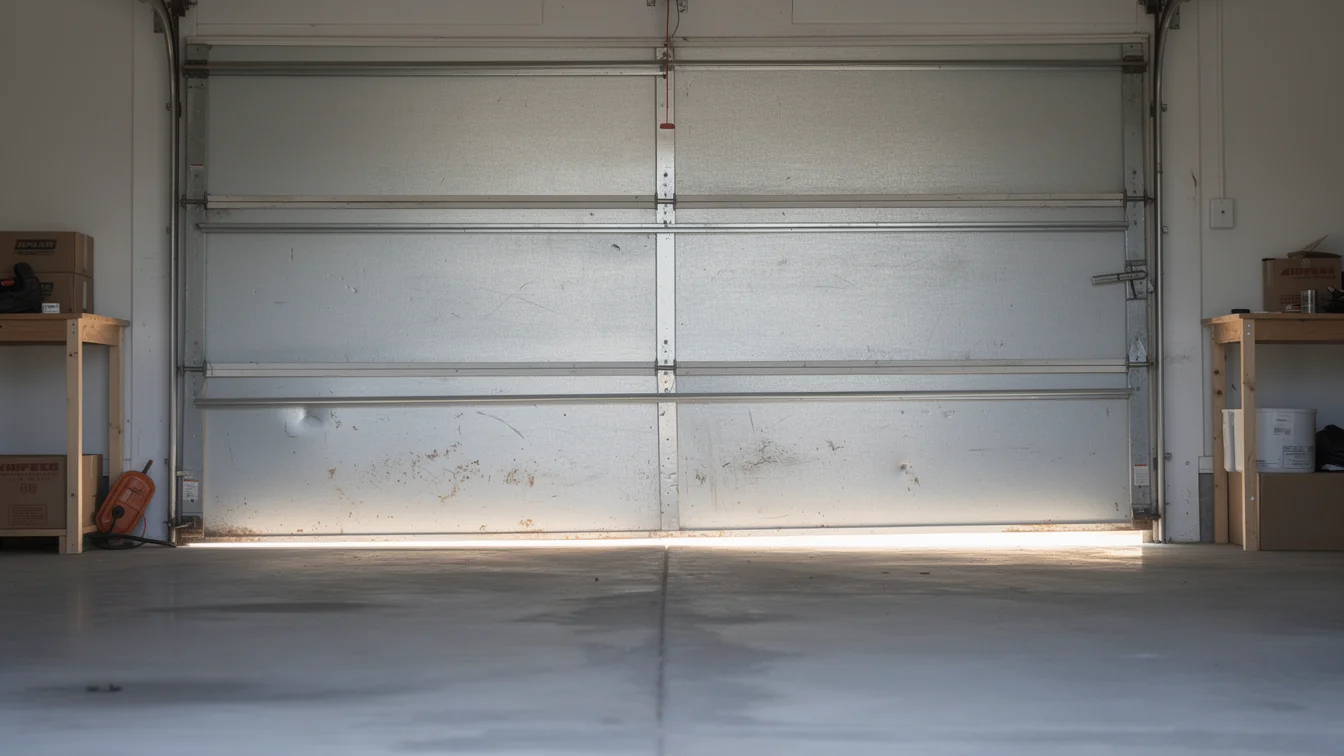
If your garage door is a single layer of steel with no backing panel, you can usually tell by knocking on it - a hollow bang means no insulation, a duller thud means there's a layer of foam behind the skin. A lot of the houses in this area went up between 1938 and 2007, with the bulk of that stock dating to the 1960s and '70s, spread across the 17 named communities that make up this service area. Doors from that era were built before any insulation requirement existed for residential garage doors, and plenty of them are still hanging exactly as installed.
Call for a look if the door rattles loose in its track, if the bottom seal has gone flat and lets daylight through, or if the panel flexes visibly when you push on it. None of that means the door is dangerous, but it does mean the garage is doing nothing to slow heat loss, and in a lot of these houses the garage shares a wall with a bedroom or laundry room. Don't wait for a spring to break before you find out what's behind the panel - a quick inspection tells you whether you're looking at a seal replacement or a full swap.
The area
What Is Going On
Garage doors built before insulation codes existed are just a stamped steel skin over a steel frame. There's no foam core, no thermal break at the track, and usually a thin vinyl sweep at the bottom that's long past useful by the time a house is forty or fifty years old. With median construction in this area landing around 1976, a large share of the garages on these streets were built with exactly that kind of door, and many still have it.
The practical effect isn't just a cold garage. Steel without a core transmits temperature straight through, so the inside face of the door gets cold enough to sweat in winter and hot enough to warp slightly in summer. That warping is what causes the gaps you see at the corners on older doors - the panel itself has shifted shape over decades of swings between hot and cold. It's not a defect, it's just what single-layer steel does over fifty years outdoors. Weatherstripping can help at the edges, but it doesn't fix the core problem, which is that there's no insulating layer in the door itself.
What we find
The Seasonal Bit
This area sits in a cold-moderate climate band, which means real winter cold but not the extreme swings you'd get further north. That matters for an uninsulated door because the stress isn't constant - it's the repeated swing from a 30-degree morning to a 70-degree afternoon that works on old steel and old hardware the hardest. Panels expand and contract, fasteners loosen, and the bottom seal that fit fine in July starts pulling away from the slab by January.
For a household budgeting repairs, that seasonal swing is worth planning around rather than reacting to. With median household income in this area at $50,060 across roughly 37,000 households, a lot of homeowners here are weighing a full door replacement against patching through another winter. Patching - new seal, tightened hardware, maybe a brush seal at the sides - is the honest answer for a door that's otherwise sound. Replacement makes more sense once the panels themselves are visibly bowed, because at that point no amount of weatherstripping closes the gap.
How we work
What the Weather Here Does to It
An uninsulated door in a cold-moderate climate doesn't fail dramatically - it just degrades the garage's ability to hold temperature, year after year, until the gap under the door and the gap at the top are both wide enough to see light through. Across the roughly 15,752 owner-occupied houses in this service area, a good share are old enough that the original door predates any insulation standard, so this isn't a rare situation here - it's close to the norm on houses from the 1960s and '70s stock.
One honest limitation: we don't recommend trying to retrofit insulation panels into a door frame that's already warped or racked. Kits exist, but if the panel has shifted out of square, adding foam inside it won't correct the shape, and you'll have spent money on a door that still needs replacing in a year or two. For a door that's still square and just thin, a retrofit kit or new weatherstripping is worth trying first. For one that's visibly bowed at the edges, replacement is the straighter path.
Questions
Common questions
How do I know if my garage door has no insulation?
Knock on it. A hollow, tinny sound means a single layer of steel with nothing behind it - common on houses built before insulation standards existed. A duller, flatter sound usually means there's a foam core. You can also check the inside face: if you see bare ribbed steel with no backing panel, there's no insulation.
Is it worth insulating an old door instead of replacing it?
Only if the panels are still flat and square. Retrofit insulation kits work fine on a sound door that's just thin. If the panel has started to bow or warp from decades of temperature swings, insulating it won't fix the shape, and you'll likely be replacing the door again soon anyway.
Why does my old garage door rattle more in winter?
Steel contracts in the cold, which can loosen fasteners, hinges, and track bolts that were set when the metal was warmer. On an older door without a thermal break, that contraction happens right through the panel, so the rattling you hear in January is often just the hardware responding to the swing in temperature.
Recommendation
You Might Also Like
More garage door guides for McDonough homeowners.
Why Your Garage Door Jumps the Track
McDonough homes built mostly in the 1960s-70s have track hardware that wasn't made for today's loads.
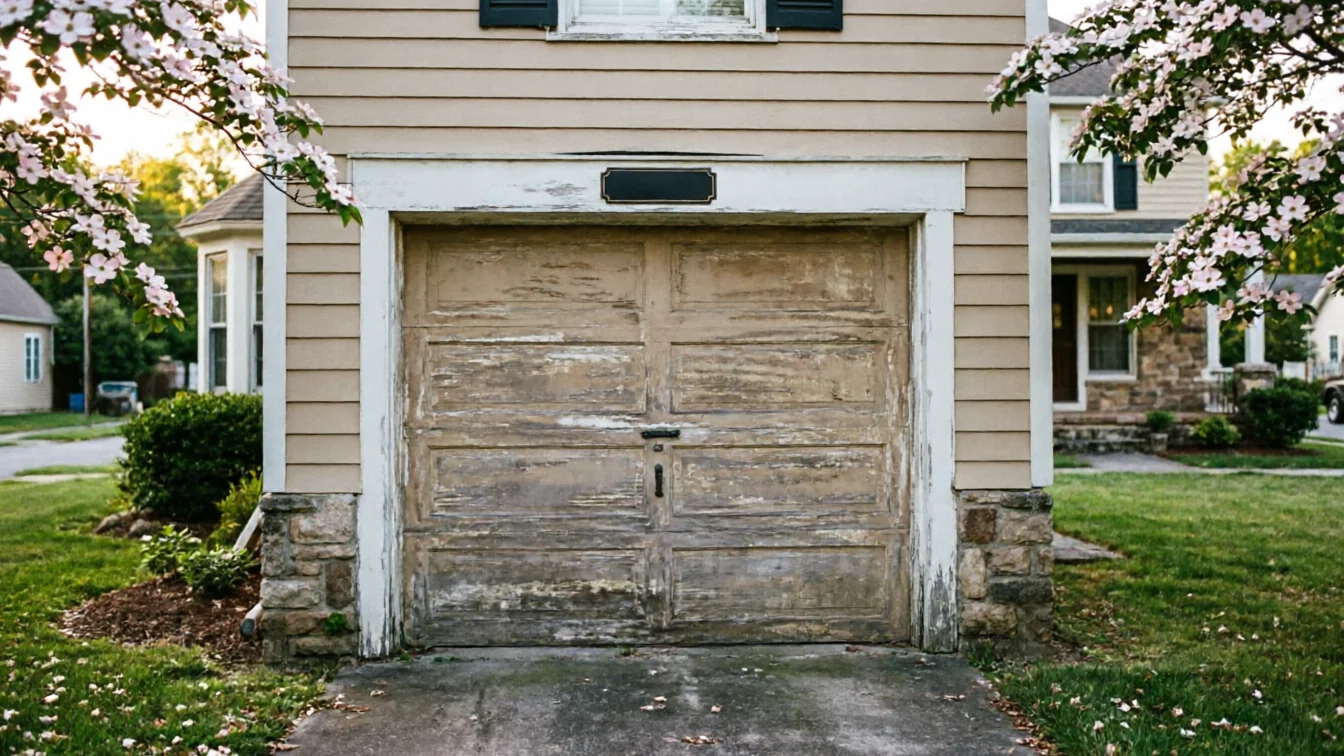 Deciding Whether to Fix or Replace an Older Door in McDonough
Most McDonough houses date to the 1960s-70s with a median year of 1976.
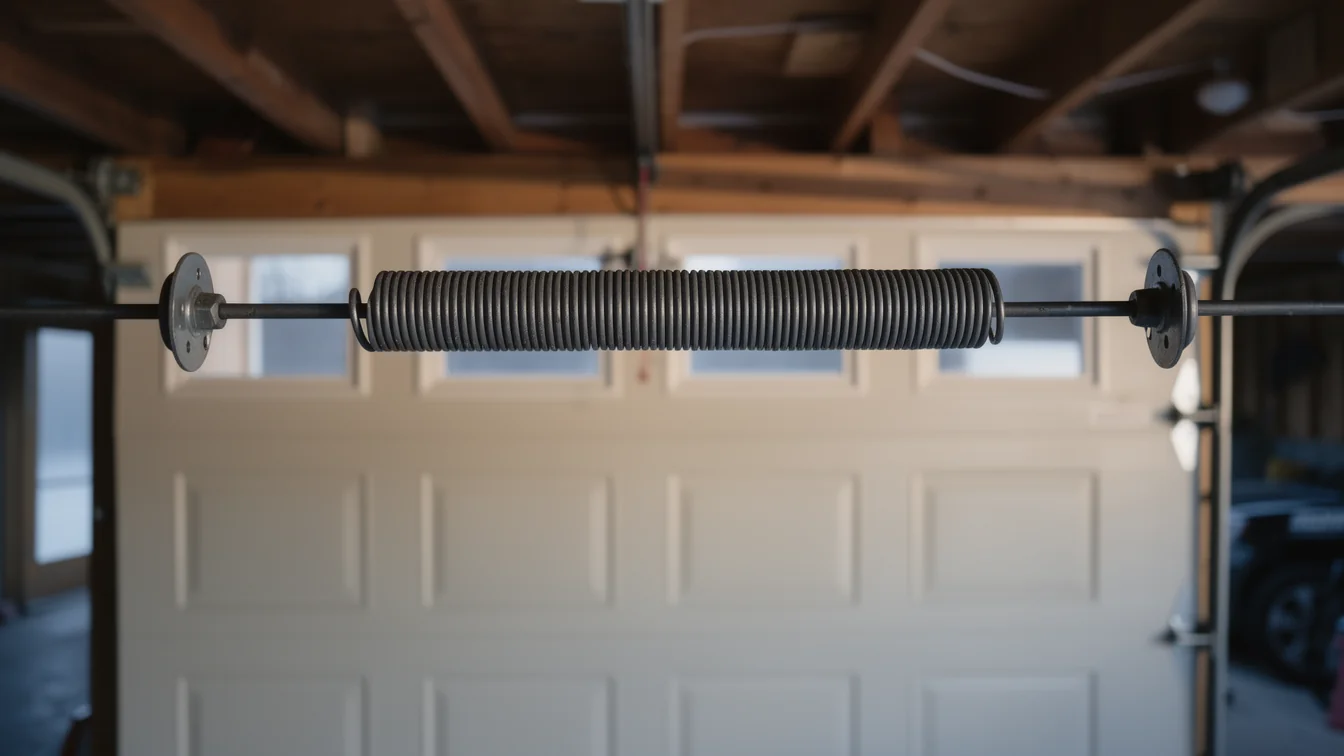 A Broken Spring on a Cold McDonough Morning
McDonough homes built mostly in the 1960s-70s see more cold-weather spring failures.
Ready when you are
Need a garage door sorted in McDonough?
McDonough Garage Door Pros repairs and installs garage doors, springs and openers in McDonough, GA and the surrounding area.