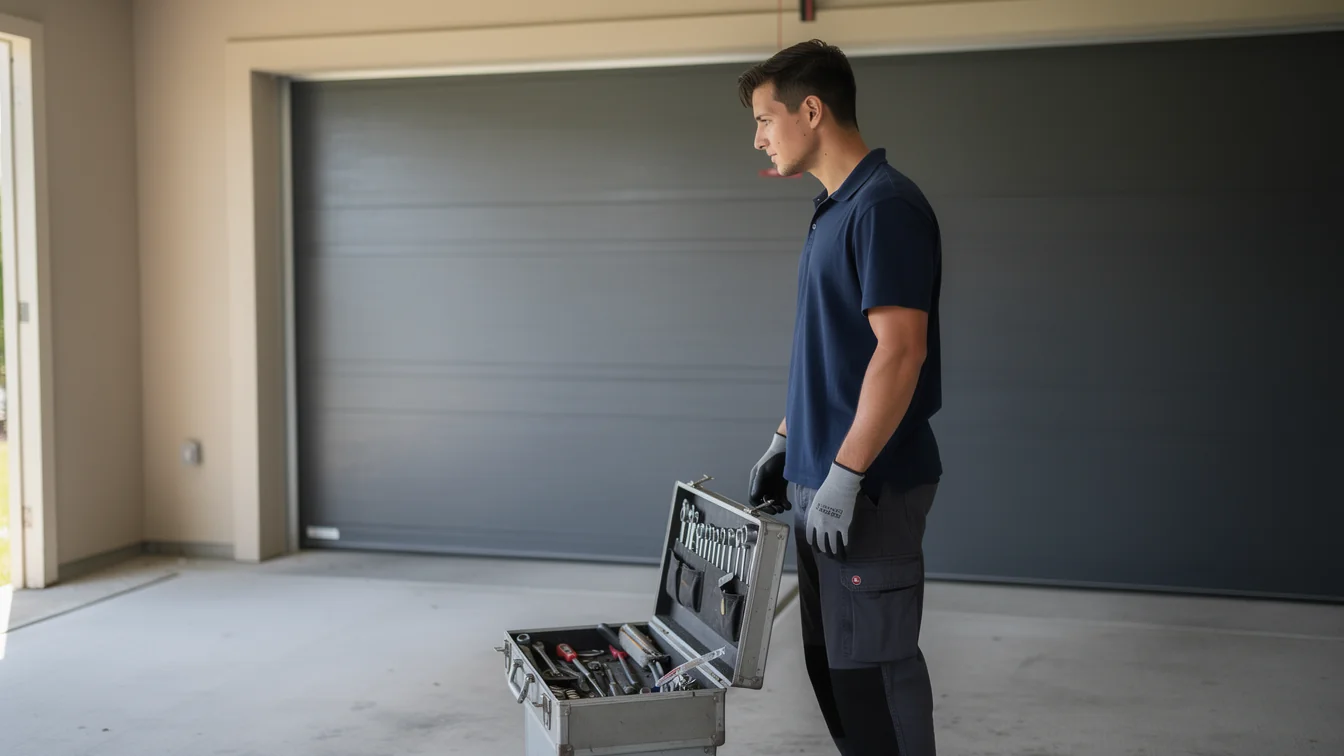
 What a Garage Door Service Call Actually Covers in McDonough
A plain look at what happens when McDonough Garage Door Pros comes to your house, based on the 1960s-70s housing stock and cold-moderate winters common across the area.
When the Opener Dies and the Power Goes With It
McDonough's 1960s-70s housing stock often runs openers with no battery backup. Here's what happens when the power goes out and when to call for help.
Local detail
When to Get Help
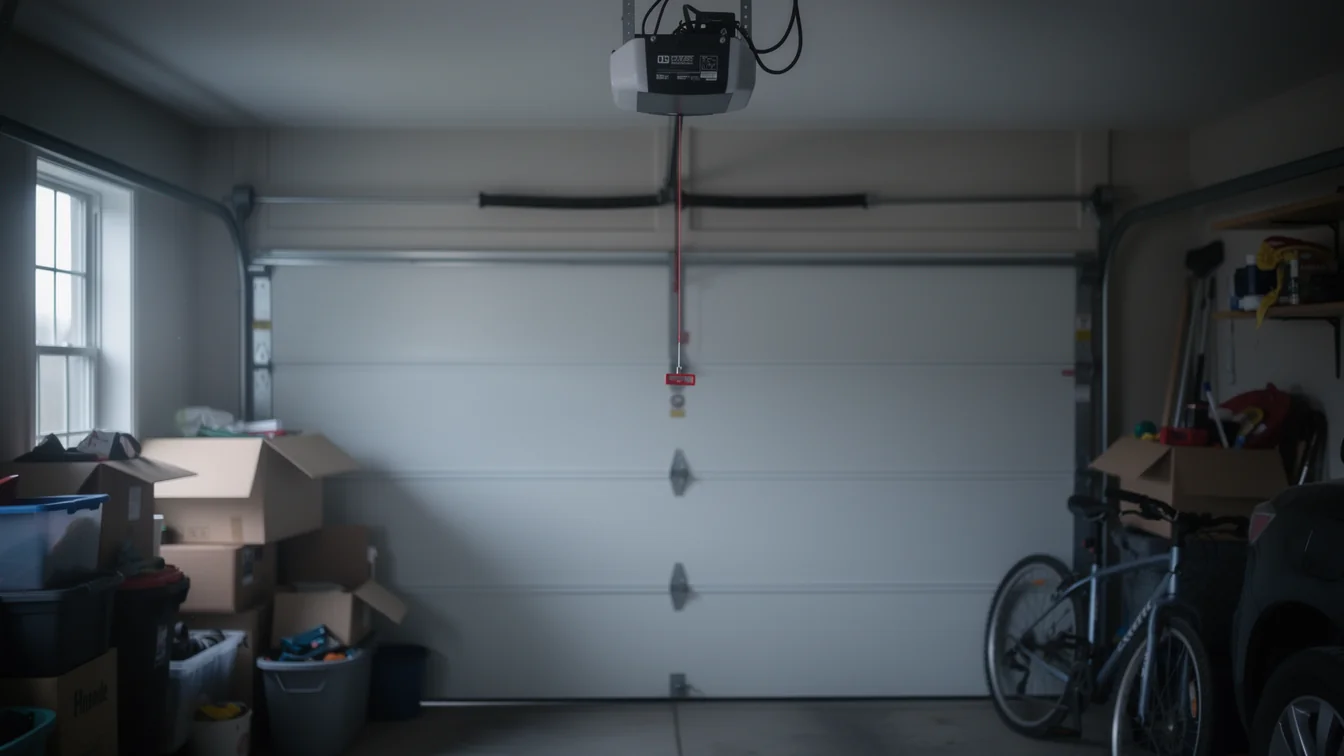
If your opener hums but the door doesn't move, or the light blinks a code you don't recognize, that's worth a call before you force anything by hand. Same goes for a door that only opens partway during a power cut and then won't budge when you try the manual release cord. A lot of McDonough houses, especially the ones built in that long run between the late 1930s and the mid-2000s, have openers that predate battery backup as a standard feature, so a dead grid means a dead opener, full stop. If the manual release works and the door moves freely by hand, you're fine to wait. If it's stuck, bent, or the release cord has snapped off, don't keep pulling on it. That's a call, not a weekend project. One honest limit here: if your opener is original to a house built decades ago, we may tell you replacement beats repair before we even open the housing, because parts for some of those older chain-drive units simply aren't made anymore.
The area
What Is Going On
Across the McDonough service area, most housing dates to the 1960s and 70s, with the broader stock running from 1938 to 2007. That matters for openers because the units installed in homes from that earlier stretch are often chain-drive models wired straight into house current with no battery backup at all. When the power cuts, the door is whatever position it was in when the lights went out, and the only way to move it is the manual release and your own arms. Newer builds in the area, and any home that's had an opener swap in the last several years, are more likely to have a battery backup unit that keeps working through a short outage. The gap between those two setups is wide, and it's purely a function of when the house was built or when the opener was last replaced, not the brand or how well it's been maintained.
What we find
The Seasonal Bit
McDonough sits in a cold-moderate climate band, which means winter brings real cold snaps and the occasional ice event, but not the deep freeze you'd get further north. That combination is actually harder on openers and power supply than a steady cold winter would be. Ice accumulation on lines is what knocks power out here, not sustained subzero temperatures, and those outages tend to hit hard and fast rather than build up gradually. If you're in one of the older sections of the service area with overhead lines, a short ice event can mean your opener is offline for a few hours right when you need the garage most, whether that's getting a car out for work or getting one in before the roads get worse.
How we work
What the Weather Here Does to It
Cold-moderate swings do two things to an opener system over the years: they stiffen the lubricant in the drive mechanism during the cold snaps, which makes the motor work harder and shortens its life, and they stress the house wiring during ice-related outages, which is when a lot of owners discover their backup battery (if they have one) is old and won't hold a charge either. Across the 15,752 owner-occupied houses in the area, the ones most exposed are the older homes without backup power built in. If your opener is original to a house from that 1960s-70s wave, expect it to show its age faster here than it would in a climate with milder winters and fewer ice-driven outages. That's not a flaw in the unit, it's just what cold-moderate weather does to aging hardware over enough winters.
Questions
Common questions
Why doesn't my garage door opener work when the power goes out?
Most openers run on house current with no backup unless they were built with a battery, which wasn't standard in a lot of the opener installs tied to McDonough's 1960s-70s housing wave. When the power cuts, the opener has no power source, and the door stays wherever it was. The manual release lets you move it by hand until power is back.
Should I add battery backup to an older opener?
If your opener and house wiring are original to an older build and you lose power often during ice events, a battery backup unit is worth asking about. It won't help if the opener itself is near the end of its life, so we'd check the whole unit first rather than just bolting on a battery.
How often do power cuts actually affect garage doors here?
McDonough's cold-moderate climate brings occasional ice events that take lines down, more than it brings deep sustained cold. Those outages tend to be short but sharp, which is enough to strand a door mid-cycle if your opener has no backup power.
Recommendation
You Might Also Like
More garage door guides for McDonough homeowners.
What a Garage Door Service Call Actually Covers in McDonough
A plain look at what happens when McDonough Garage Door Pros comes to your house, based on the 1960s-70s housing stock and cold-moderate winters common across the area.
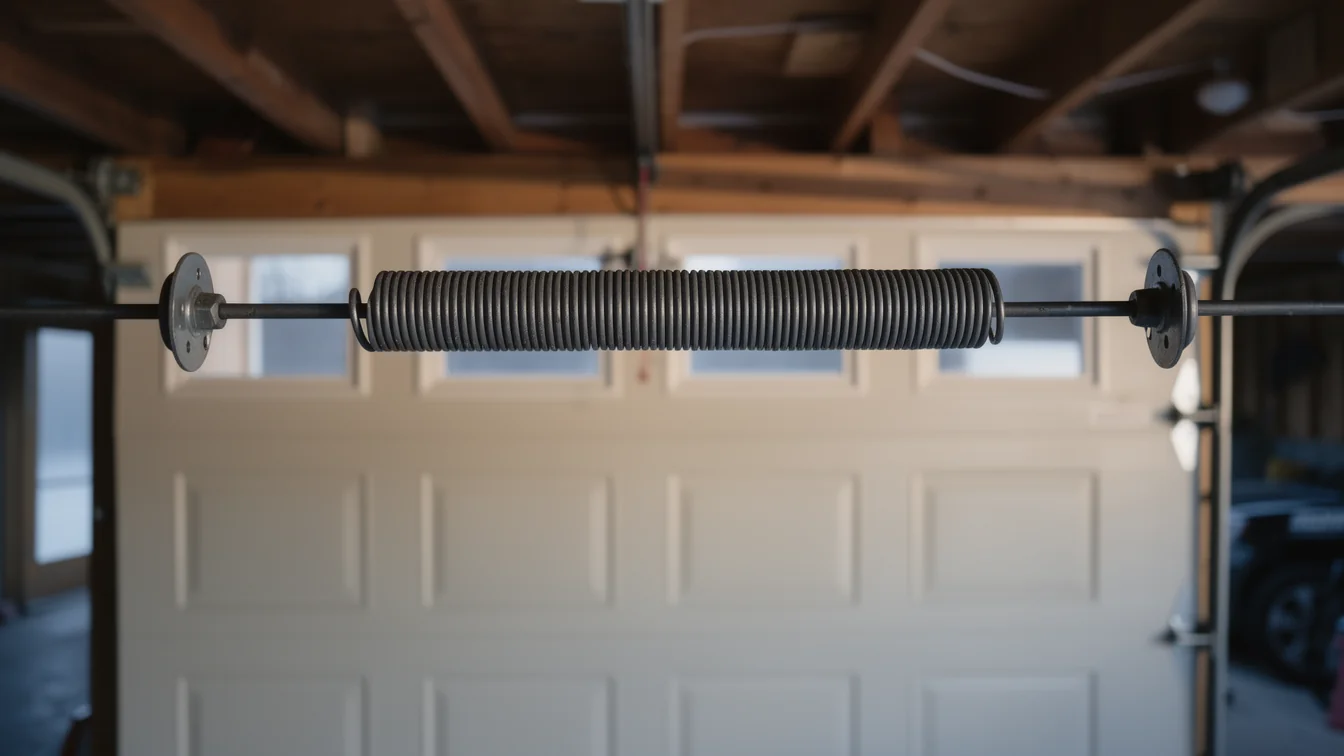 A Broken Spring on a Cold McDonough Morning
McDonough homes built mostly in the 1960s-70s see more cold-weather spring failures.
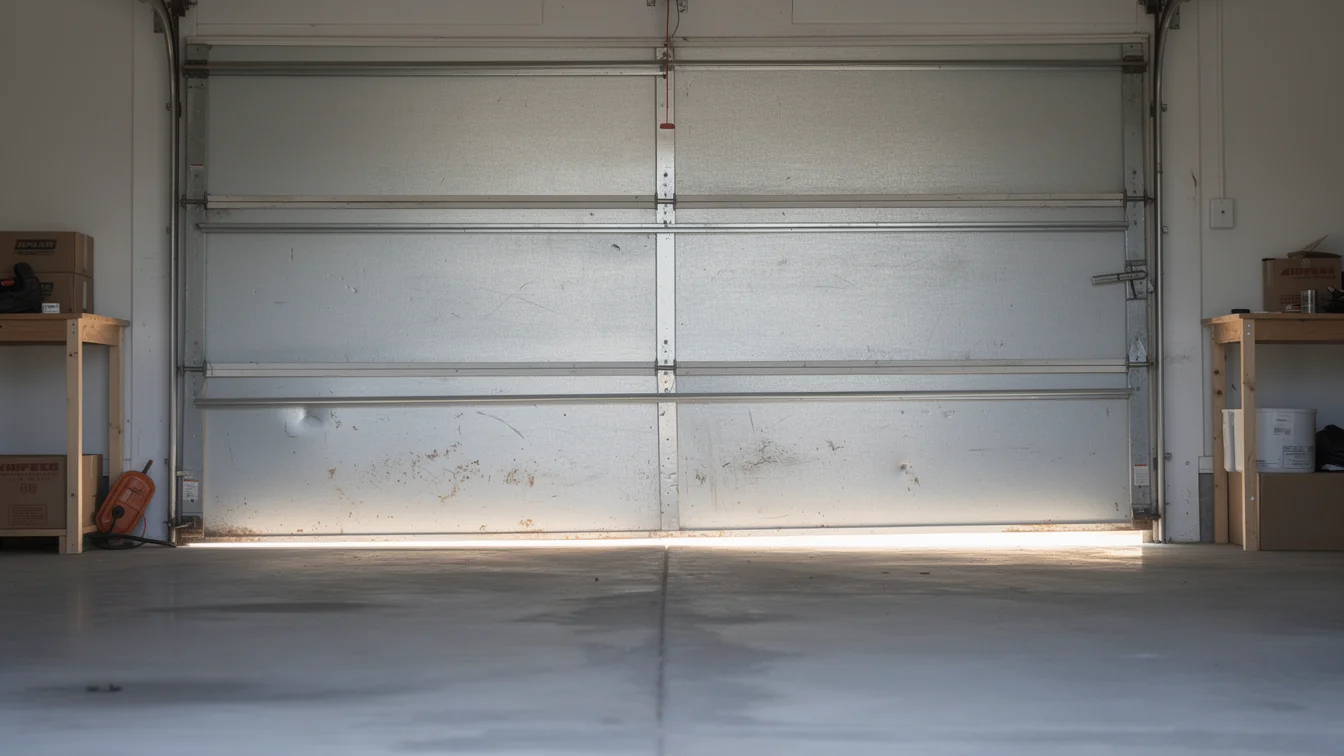 Old Doors, No Insulation: What McDonough Homeowners Are Dealing With
McDonough homes built 1960s-70s often have single-layer steel doors with no insulation.
Ready when you are
Need a garage door sorted in McDonough?
McDonough Garage Door Pros repairs and installs garage doors, springs and openers in McDonough, GA and the surrounding area.