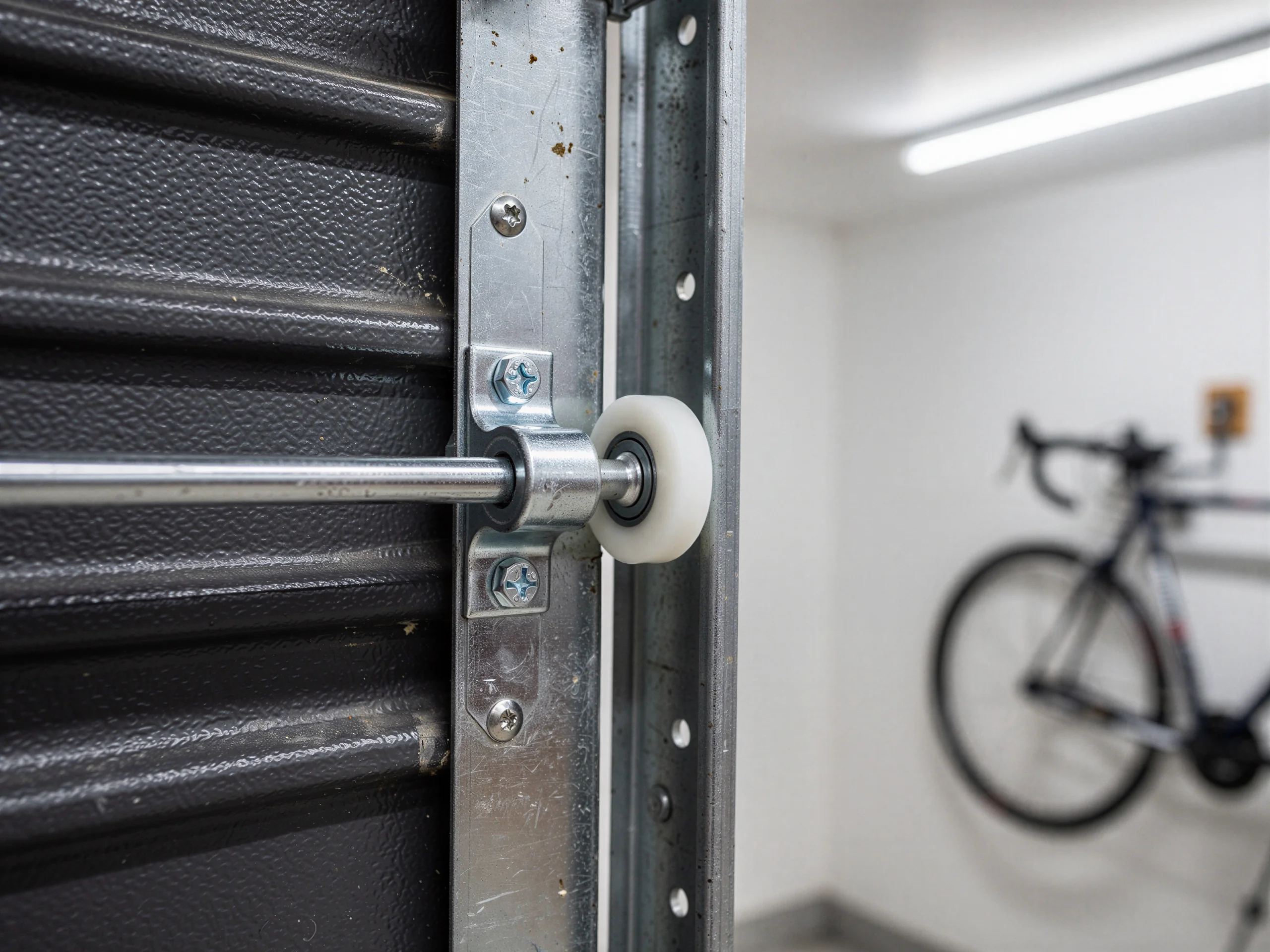
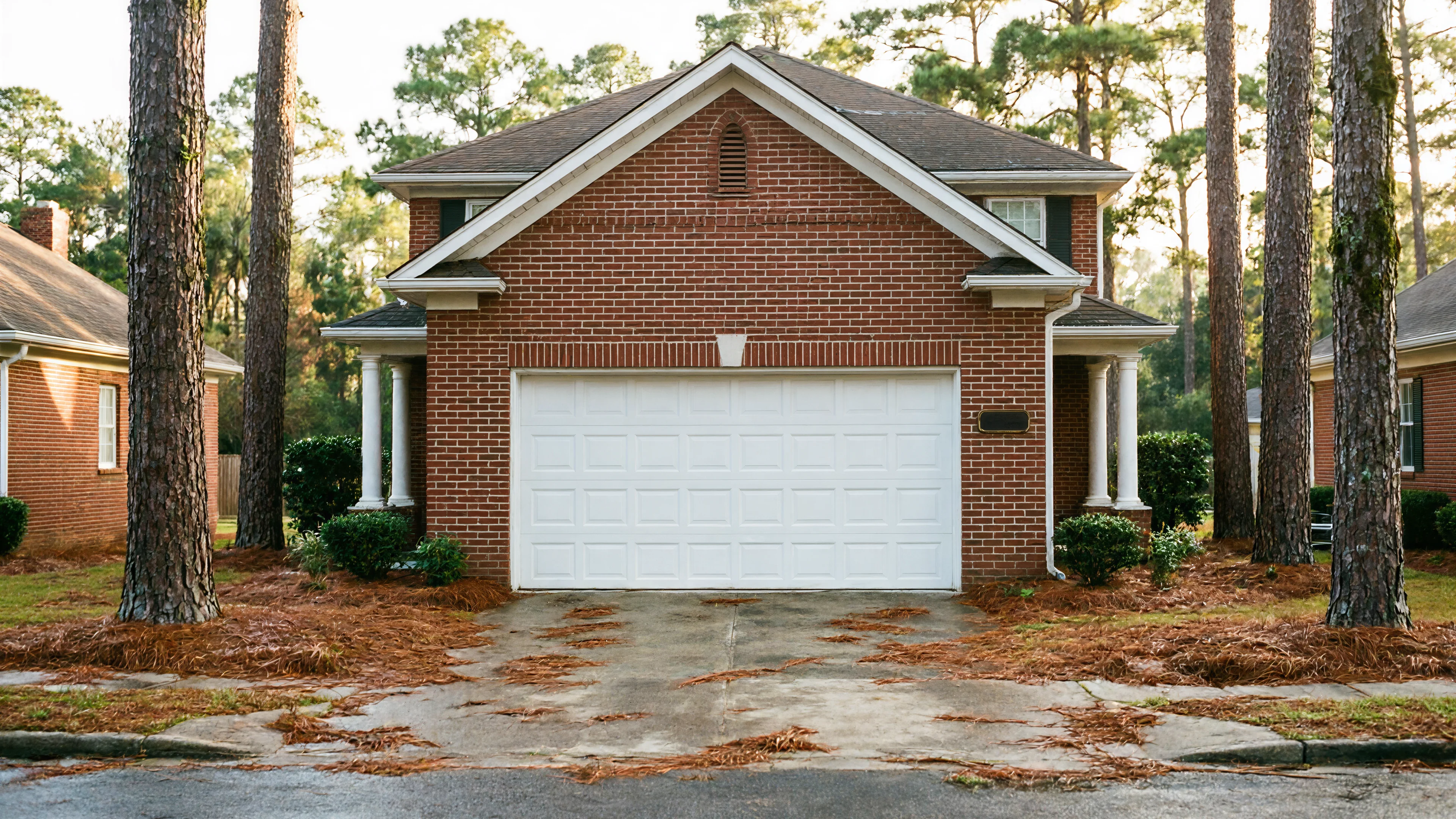
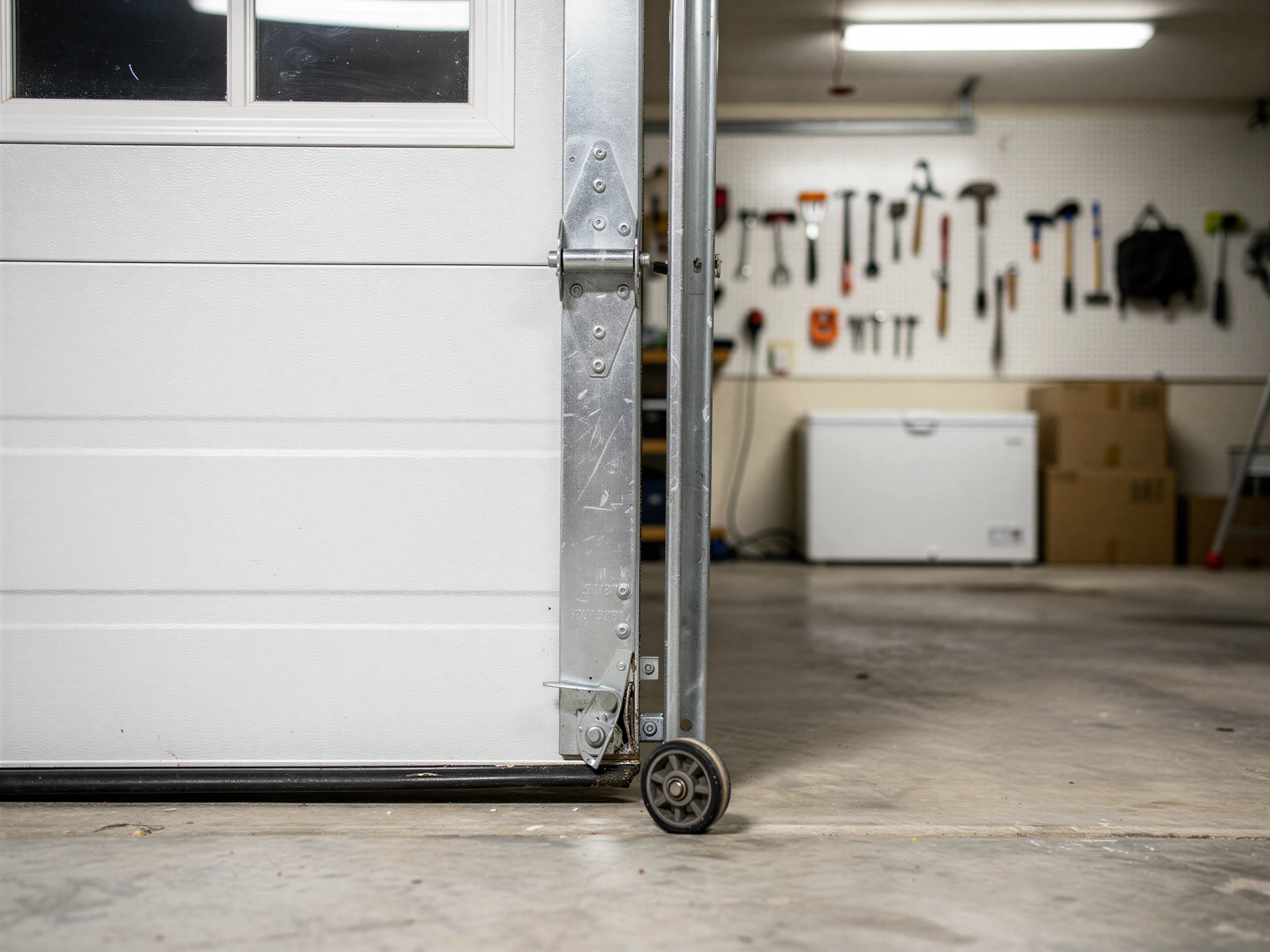
Most of the housing stock across this service area went up between 1938 and 2007, with a heavy concentration in 1960s and 70s construction spread across the 17 communities we cover. That matters for rollers because builders from that era mostly hung doors on steel tracks with steel rollers and no nylon option - cheap, loud, and prone to flat-spotting once the bearing dries out. Newer builds from the 1990s and 2000s sometimes got nylon rollers from the factory, but plenty of those homes had their original door swapped out once already, and whoever did that swap often put steel rollers back in because they're cheaper.
The climate here is cold-moderate, not desert-dry and not coastal-humid, but McDonough still gets the swing between summer heat that cooks the grease out of a roller stem and winter cold snaps that make stiff steel bearings worse. A roller that's had no lubrication since the Clinton administration doesn't care what decade your house was built in, but houses from the 60s and 70s are the ones most likely to still have the original hardware nobody's ever touched. That's the pattern we see on these calls - not a brand-new failure, a slow one nobody noticed until the door started grinding.