
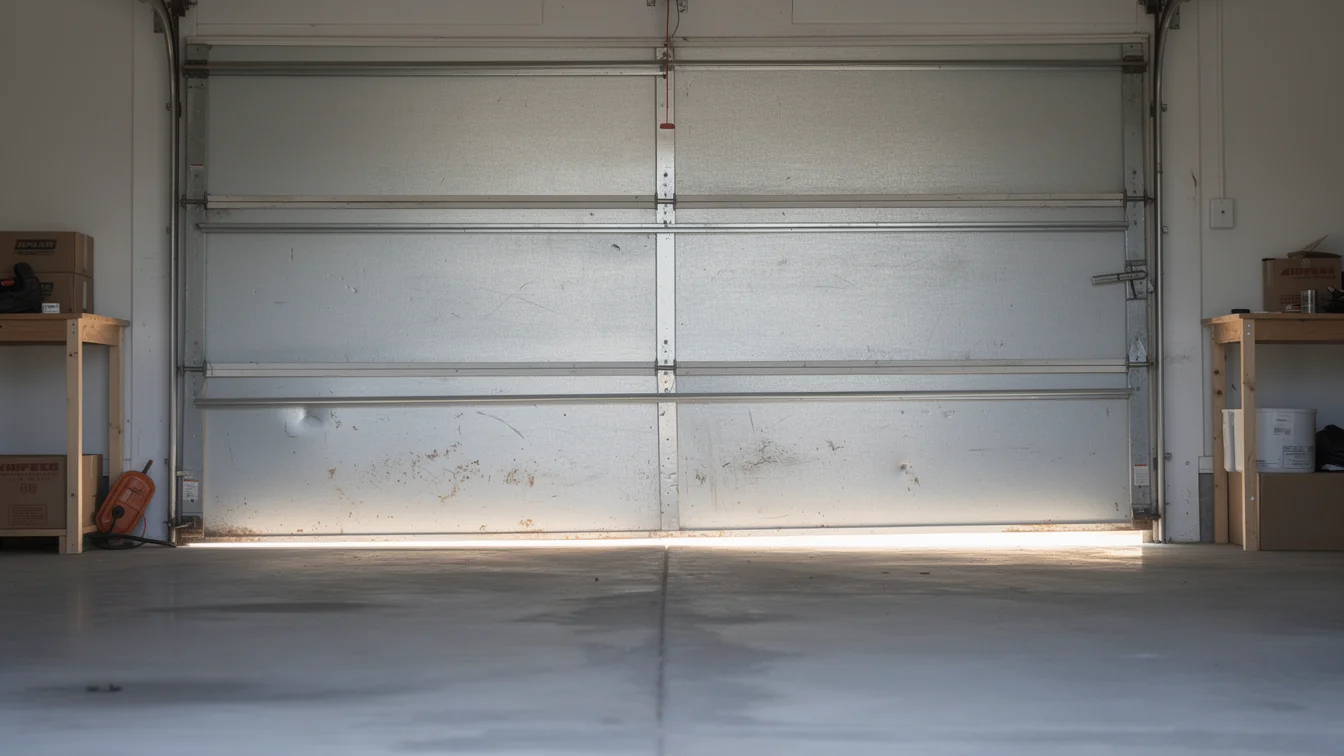
 Old Doors, No Insulation: What McDonough Homeowners Are Dealing With
McDonough homes built 1960s-70s often have single-layer steel doors with no insulation.
Why Your Garage Door Jumps the Track
McDonough homes built mostly in the 1960s-70s have track hardware that wasn't made for today's loads. Here's why doors jump track and what to do about it.
Local detail
When to Get Help
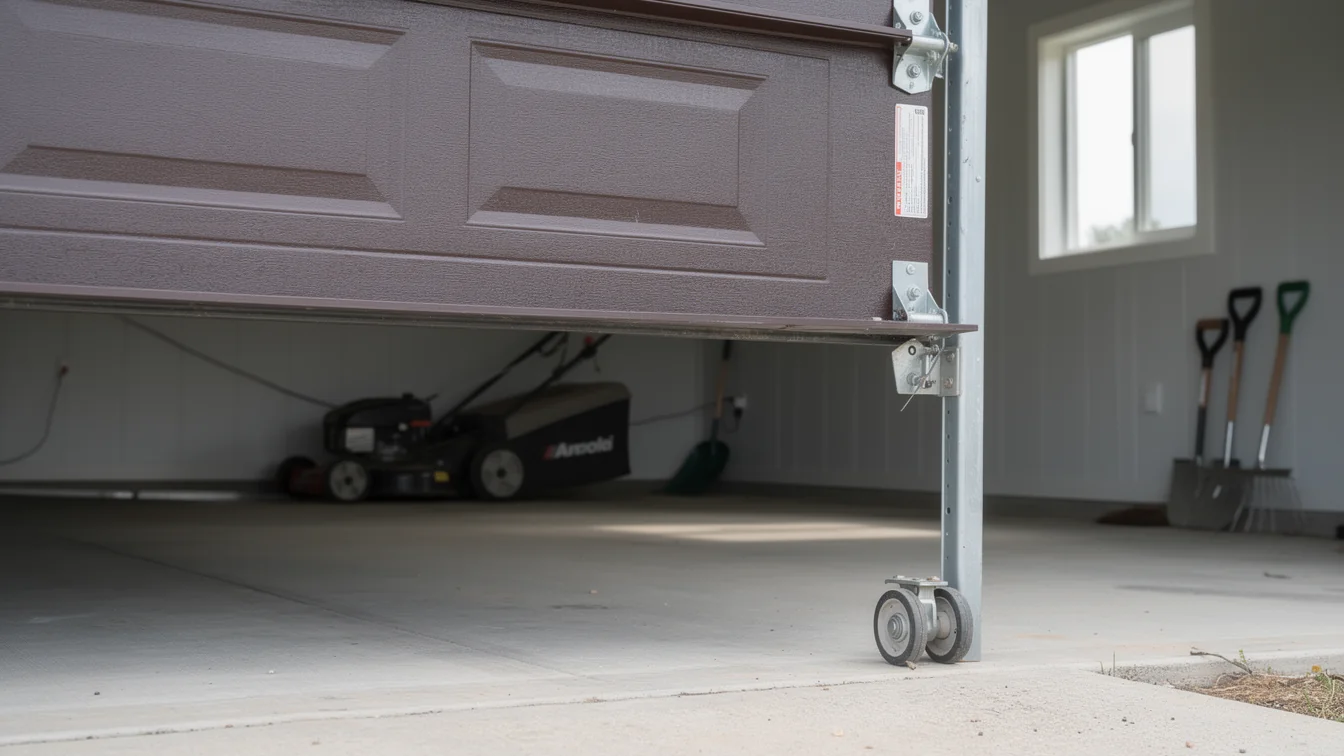
If the door is leaning in the opening, if you can see daylight between a roller and the track, or if the door stopped moving mid-cycle with a bang, stop using the opener and call. Running the opener against a door that's already off track bends the track further, and on the older steel sections common in this area, a bent track is often the cheaper fix compared to a cracked panel from forcing it. If the door only rattles or sticks a little on the way down, that's worth a call too, but it's not an emergency - you can usually wait a day or two. The one thing we won't do is talk you into a same-day replacement when a track realignment and a few rollers will hold for years. If your door was installed before the mid-1990s, which matches a lot of the housing stock through McDonough and the surrounding 1960s-70s neighborhoods, the hardware gauge is lighter than what goes in today, and that changes how forgiving the door is when something nudges it sideways.
The area
What Is Going On
A door comes off track almost always because something changed at one bracket while the rest of the system stayed put. A roller wears thin and starts binding, a bottom bracket works loose from years of the door being lifted and dropped by hand before an opener was ever added, or a track bolt backs out of a stud that's shrunk with age. Houses in this area were built across a long stretch, from 1938 up through 2007 with a median around 1976, which means the garage itself was often framed to older lumber dimensions and later had an opener retrofitted onto original track. That retrofit is usually fine, but it's also usually never rechecked, so the track slowly walks out of plumb over a decade or two and nobody notices until a roller finally jumps the rail. We see this most in the 1960s and 70s-era subdivisions that make up most of the local stock - original bracket, original track, several owners and openers later.
What we find
The Seasonal Bit
Framing lumber moves with humidity, and in a house built in the 1960s or 70s the studs around the garage opening have had fifty-plus years to settle, shrink, and shift slightly with the seasons. That movement is small, a sixteenth of an inch here or there, but a garage door track is bolted directly to that framing, and it has zero tolerance for being out of plumb. Add a cold snap and the shrink happens faster than in a mild stretch, so a track that was borderline loose in October can be visibly bowed by January. This isn't a dramatic failure - it's the slow kind, where the door runs fine for years and then one week it starts grinding on one side before it finally hops the rail. If your house falls into that older stock that makes up most of the area, this is worth a look every couple of years rather than waiting for the bang.
How we work
What the Weather Here Does to It
McDonough sits in a moderate cold climate band - we don't get the deep freeze-thaw cycling that tears up track hardware further north, but we do get enough cold stretches each winter to stiffen steel rollers and tighten up the clearance in an already-aging track. Cold metal contracts, and on a track that's already a little bowed from decades of house settling, that contraction is sometimes the last push that lets a roller slip the rail on a cold morning. It's rarely the weather alone - it's cold weather finding the weak point that years of settling framing already created. We don't see the kind of ice-dam or snow-load damage that causes track failures up north, so if someone tells you that's why your door jumped track here, that's probably not the real cause - look at the bracket and the stud behind it first.
Questions
Common questions
Can I push the door back onto the track myself?
We'd rather you didn't. A door off track is under spring tension, and pulling or pushing it back into the rail by hand is one of the more common ways people get hurt on this job. It takes minutes for us to do safely with the right clamps. If it's just a roller rattling and not actually derailed, that's a different story and usually fine to leave alone until we get there.
Is this covered by my homeowner's insurance?
We don't handle insurance claims and can't say what your policy covers - that's a question for your agent. What we can tell you is whether the damage is from normal wear on older hardware versus a one-time impact, which is usually the detail an adjuster wants to know.
How often should I have the track checked on an older house?
For houses from the 1960s-70s stock that makes up most of this area, we'd suggest a look every couple of years, especially if the door was original to the house and just had an opener added later. Catching a loose bracket before it lets go is a lot cheaper than replacing a bent track.
Recommendation
You Might Also Like
More garage door guides for McDonough homeowners.
Old Doors, No Insulation: What McDonough Homeowners Are Dealing With
McDonough homes built 1960s-70s often have single-layer steel doors with no insulation.
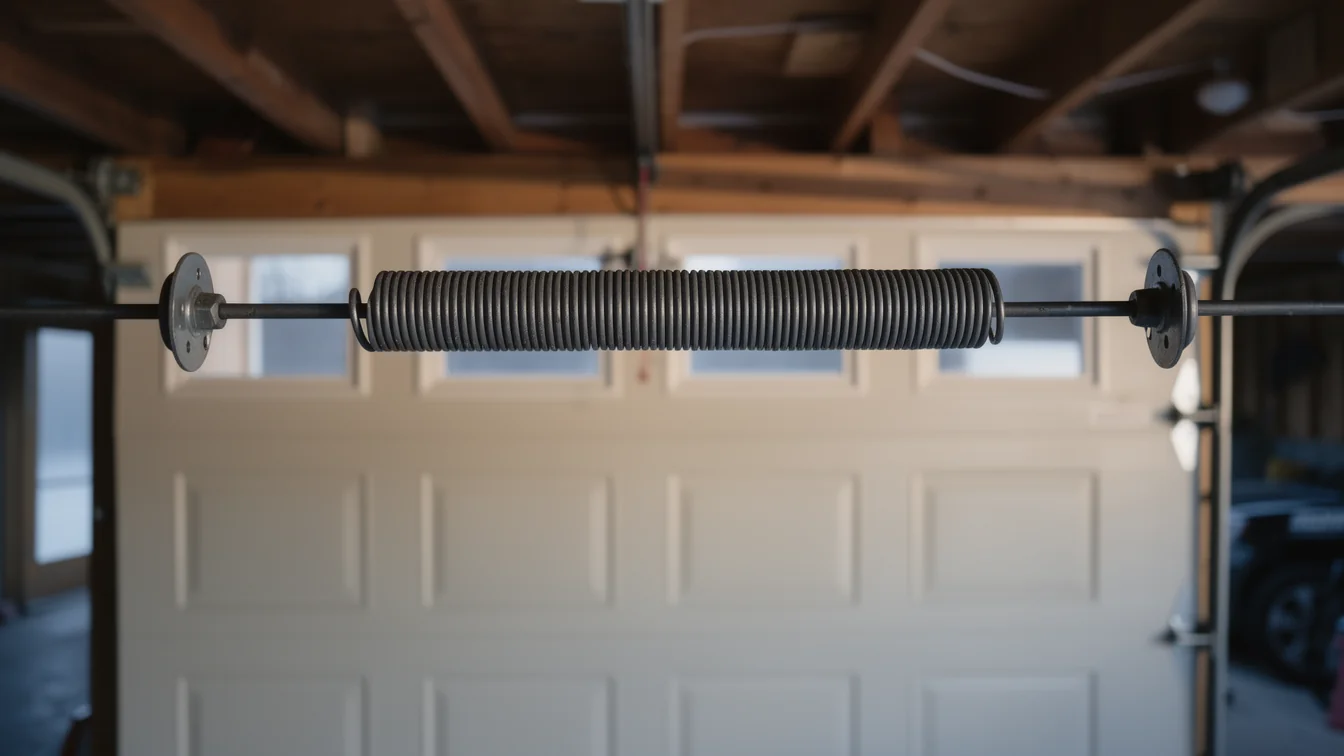 A Broken Spring on a Cold McDonough Morning
McDonough homes built mostly in the 1960s-70s see more cold-weather spring failures.
 The Noise Your Door Is Making Isn't Random
Most McDonough homes date to the 1960s-70s building boom.
Ready when you are
Need a garage door sorted in McDonough?
McDonough Garage Door Pros repairs and installs garage doors, springs and openers in McDonough, GA and the surrounding area.