Serving McDonough, GA & nearby(770) 230-5829

McDonough, GA

Why Garage Doors Fail Differently in McDonough

McDonough homes built mostly in the 1960s-70s run original torsion hardware that wasn't built for today's cold swings. Here's why doors fail and what fixing them involves.

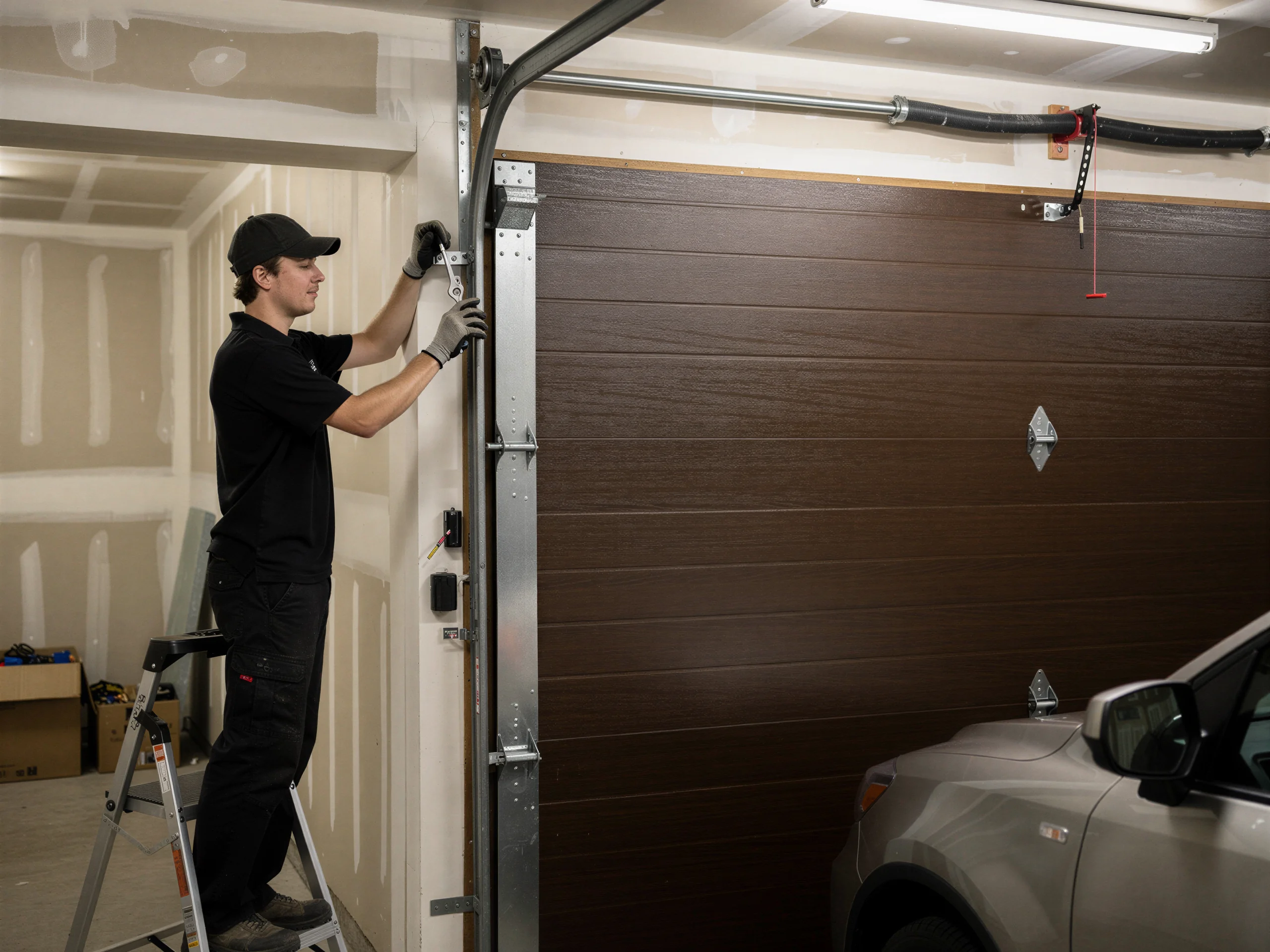
A technician on a ladder adjusts the garage door track next to a brown garage door.
Serving McDonough, GABackground-checked techsHonest, upfront pricingFast local response
Local
Crews that work this area daily
Same-day
Response for most repair calls
Upfront
Pricing agreed before we start
Insured
Background-checked technicians

Local causes

Why This Fails Locally

McDonough's housing stock runs from 1938 up through 2007, but the bulk of it - across the 17 named areas that make up this service territory - went up in the 1960s and 70s, with the median build year sitting around 1976. That matters for garage doors because a door installed on a house built in that window is likely running its second or third opener but its original track and jamb hardware. Steel brackets from that era weren't galvanized the way current parts are, and decades of a cold-moderate climate band means repeated freeze-thaw cycling on exposed lag screws and hinges. The metal doesn't snap outright - it works loose a sixteenth of an inch at a time until the door starts binding on one side. Newer builds in the service area, especially anything from the 2000s, tend to have steel jambs and sealed bearings that shrug this off. Older ones don't. If your house falls in that 1960s-70s band, the door is working against hardware that was never designed to be adjusted this many times. That's the root of most of the service calls we run - not a dramatic failure, just thirty-plus years of small shifts finally catching up with the frame.
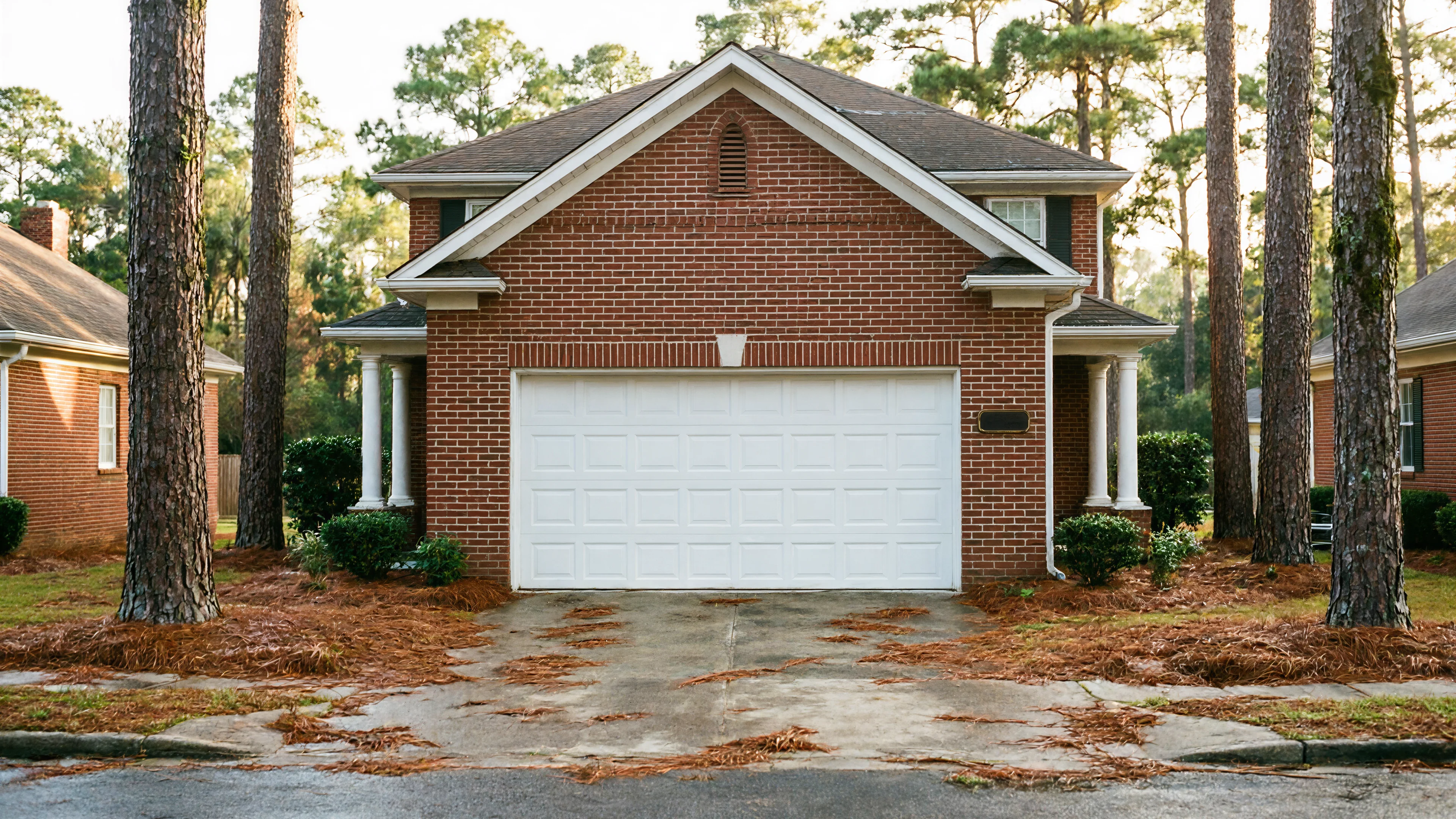
A red brick house has a white garage door and a driveway covered in pine needles.

Watch-outs

Where This Job Goes Sideways

The call that starts as "the door won't close" usually isn't about the opener. On the older stock common through this area, the opener is often the newest part on the door - homeowners replace it once, sometimes twice, and never touch the track or the spring.

Upstream fault, not opener

So the fault sits upstream: a torsion spring that's lost tension gradually instead of snapping, rollers worn oval instead of round, or a track bent just enough that the door rides crooked and the opener's sensors read it as an obstruction.

Cold-morning binding

On a cold morning after a hard overnight temperature drop, steel contracts slightly and a door that was borderline all week suddenly won't budge. That's a climate story, not a part failure story - the hardware was already at its limit.

New opener won't fix

Where it goes sideways for a homeowner is assuming a new opener fixes it. It doesn't, if the track or spring underneath is the real problem. We see this most on single-car doors on houses from the 60s/70s band, where the original spring was never upgraded for the heavier insulated replacement door installed later.

Pricing

What It Costs

We're not going to quote a number here without seeing the door - a torsion spring swap on a standard door is a different job from sourcing a bracket for a 1970s track that nobody makes anymore.

Sourcing discontinued hardware

That second kind of job is the honest limitation: on houses from the older end of McDonough's housing range, original hardware sometimes isn't sold new, and the real cost driver is finding or adapting a part, not labor.

Cost drivers listed

What we can tell you is what drives the number up or down: door age and whether parts are standard-stock, whether it's a single spring or a pair on a double door, and whether the track is just bent or actually cracked at a weld.

Quick spring versus track job

A straightforward spring replacement on a door from the common 60s/70s stock is usually quick, because that hardware is well understood. A full track and jamb repair on an older original setup takes longer because the mounting isn't standardized the way current builds are.

Warning signs

What You Are Seeing

A door that closes unevenly, dropping faster on one side, usually points to one spring in a pair that's lost tension while the other hasn't - common on double doors from the 1960s-70s stock where both springs are original.

Out-of-round rollers

A door that's loud on the way up, a grinding or popping sound near the top of the track, often means a roller has gone out of round, which happens faster on older steel track than on the nylon-lined track used in newer builds.

Cold weatherstrip binding

If the door hesitates, reverses, or won't fully seat against the weatherstrip on a cold morning, that's the metal contracting against hardware that was already near its tolerance - more common here given the cold-moderate climate band this area sits in.

Gradual decline pattern

None of these show up as a single dramatic break. They show up as the door getting a little worse every few weeks until one morning it doesn't move at all.

Questions

Common questions

Why does my garage door only act up when it's cold outside?

Steel contracts slightly in cold weather, and on older track and hardware that's already near the end of its working tolerance, that small contraction is enough to bind the door or make the opener's sensors misread the resistance as an obstruction. It's more noticeable on houses built in the 1960s-70s, which make up most of the stock in this area.

My house was built in the 70s - should I expect the original garage door hardware?

It's common. A lot of houses in that build range are still running their original track and spring setup, sometimes with a newer opener bolted onto old hardware. That mismatch - new opener, old track - is one of the most frequent causes of repeat service calls we see.

Can you give me a price over the phone?

Not accurately. A torsion spring swap and a bent-track repair on older original hardware are very different jobs in time and parts, and we'd rather look at the door than guess. We can talk through what's likely driving the cost once we know the door's age and what's actually failing.

Is it worth fixing an old door or should I just replace it?

If the door itself is sound and it's just a spring, roller, or track issue, repair almost always makes sense. If the jamb or track is from the original 1960s-70s install and parts for it are hard to source, repair cost can climb to where replacement is the better call - that's a judgment we make door by door, not a blanket rule.

Explore more

Explore More Services In McDonough, GA

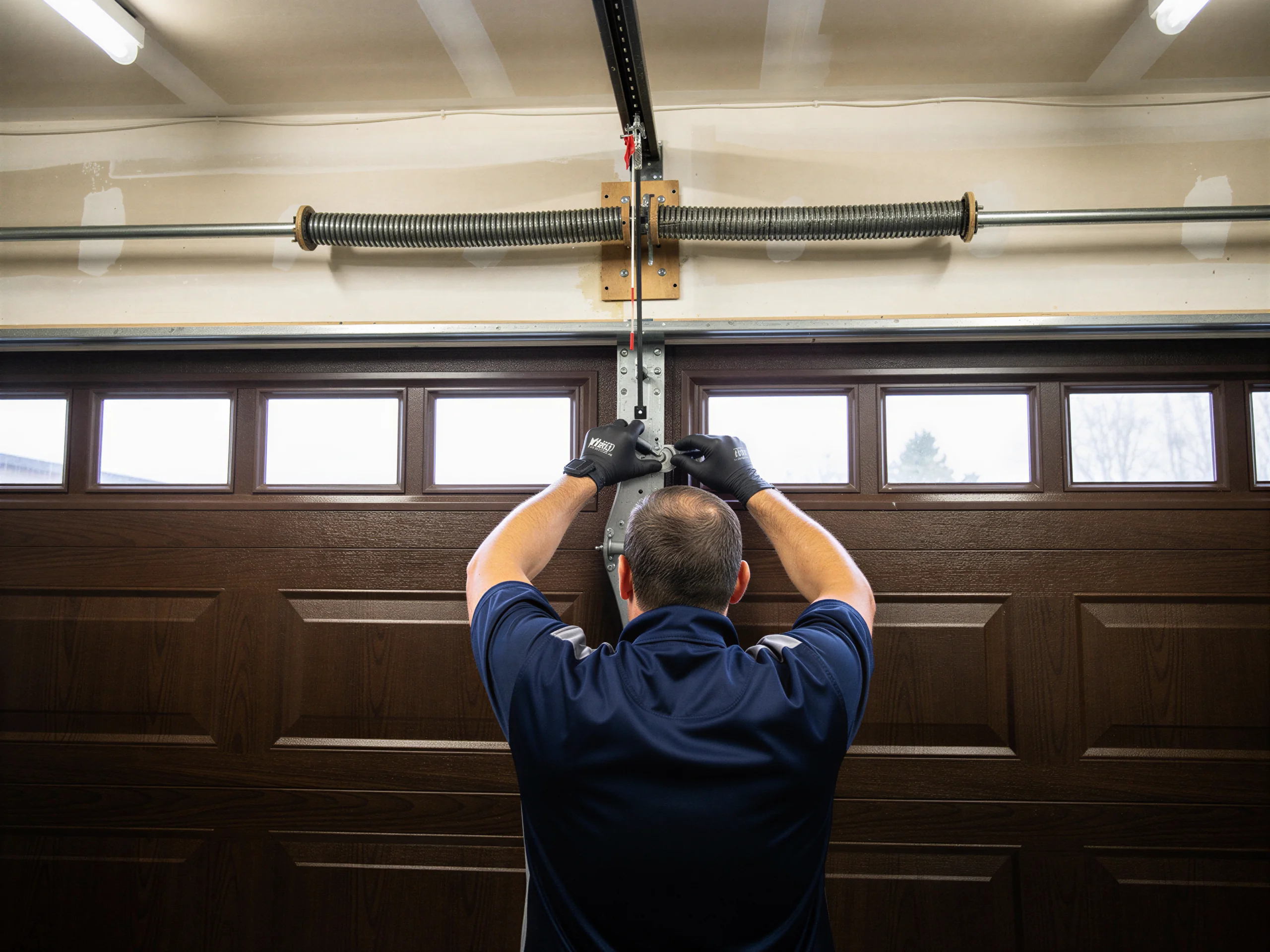
A technician works on a brown garage door with windows and a torsion spring.

What Breaks First on a McDonough Garage Door

McDonough garage doors built 1938-2007 face cold-snap spring strain and worn track hardware on older homes. Learn more →
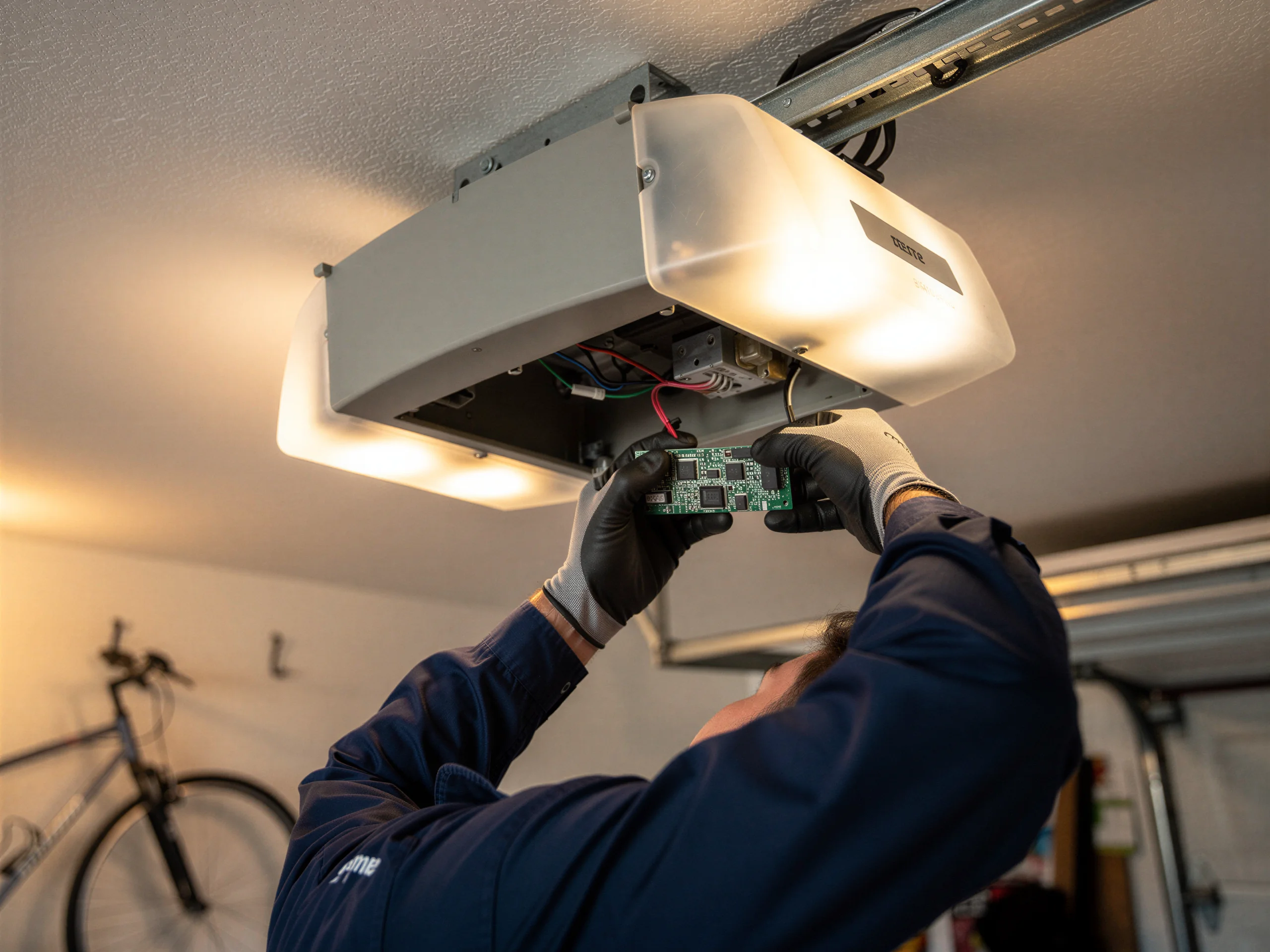
A technician in gloves holds a circuit board near an open garage door opener.

Garage Door Opener Repair Around McDonough

Opener grinding, reversing, or dead on a house built before 2000? Learn more →
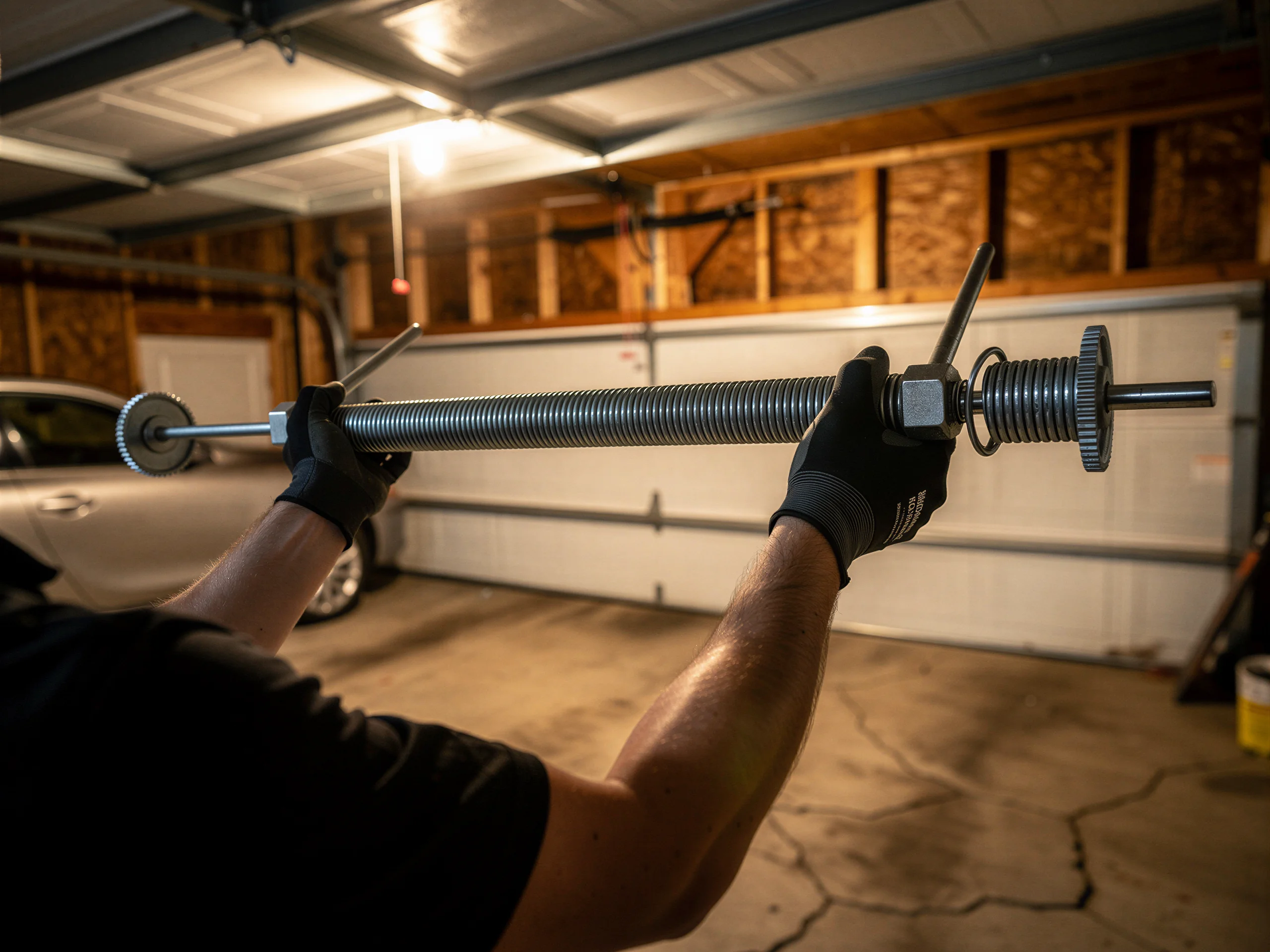
A technician wearing gloves holds a torsion spring in a garage.

Garage Door Spring Repair in McDonough and the Surrounding Area

Torsion spring failure in McDonough homes traces back to housing age and winter temperature swings. Learn more →
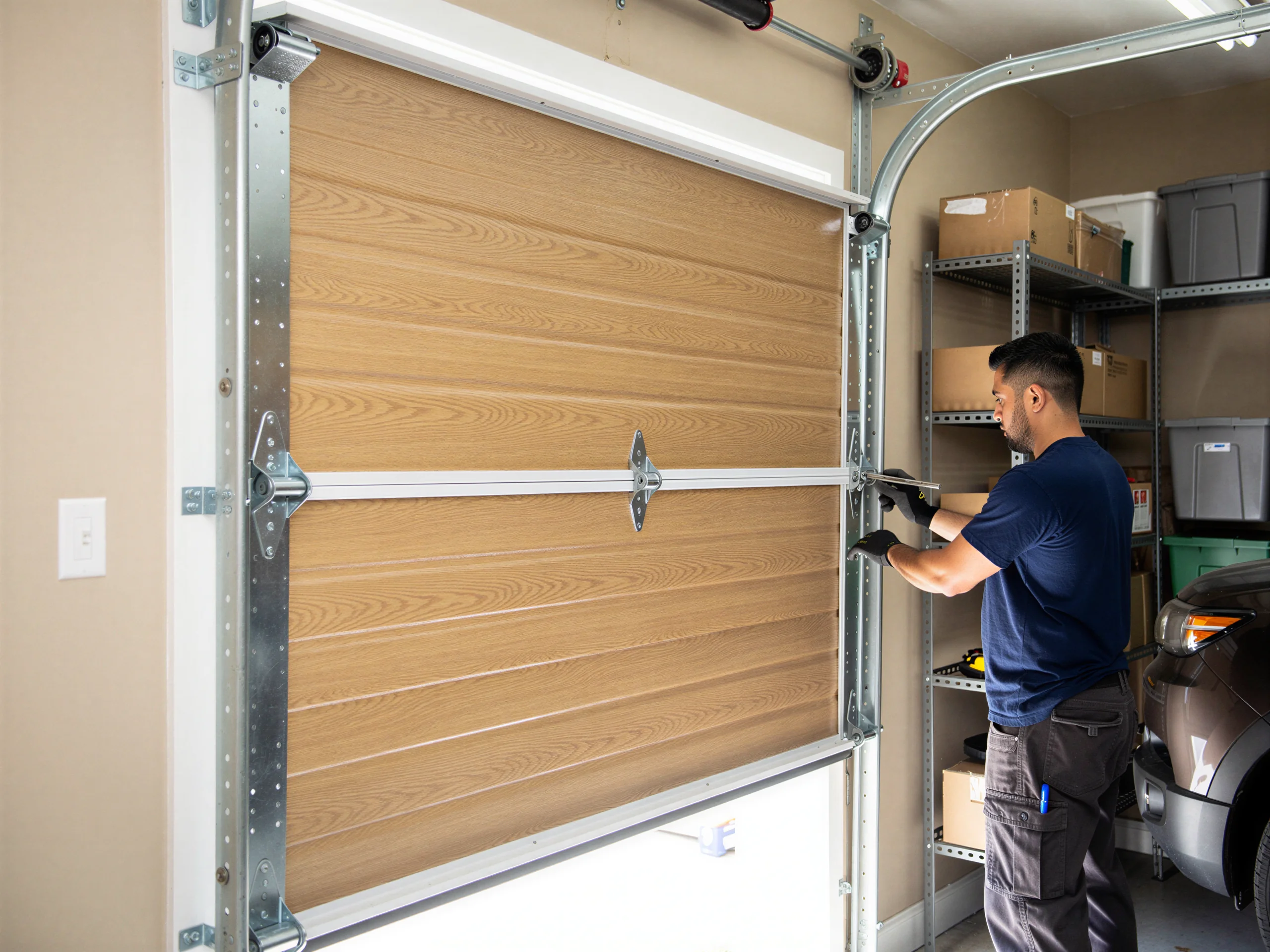
A technician works on a wood-look garage door in a garage.

Garage Door Installation Built for McDonough's Housing Stock

McDonough homes built between 1938 and 2007 each have different door and opener needs. Learn more →
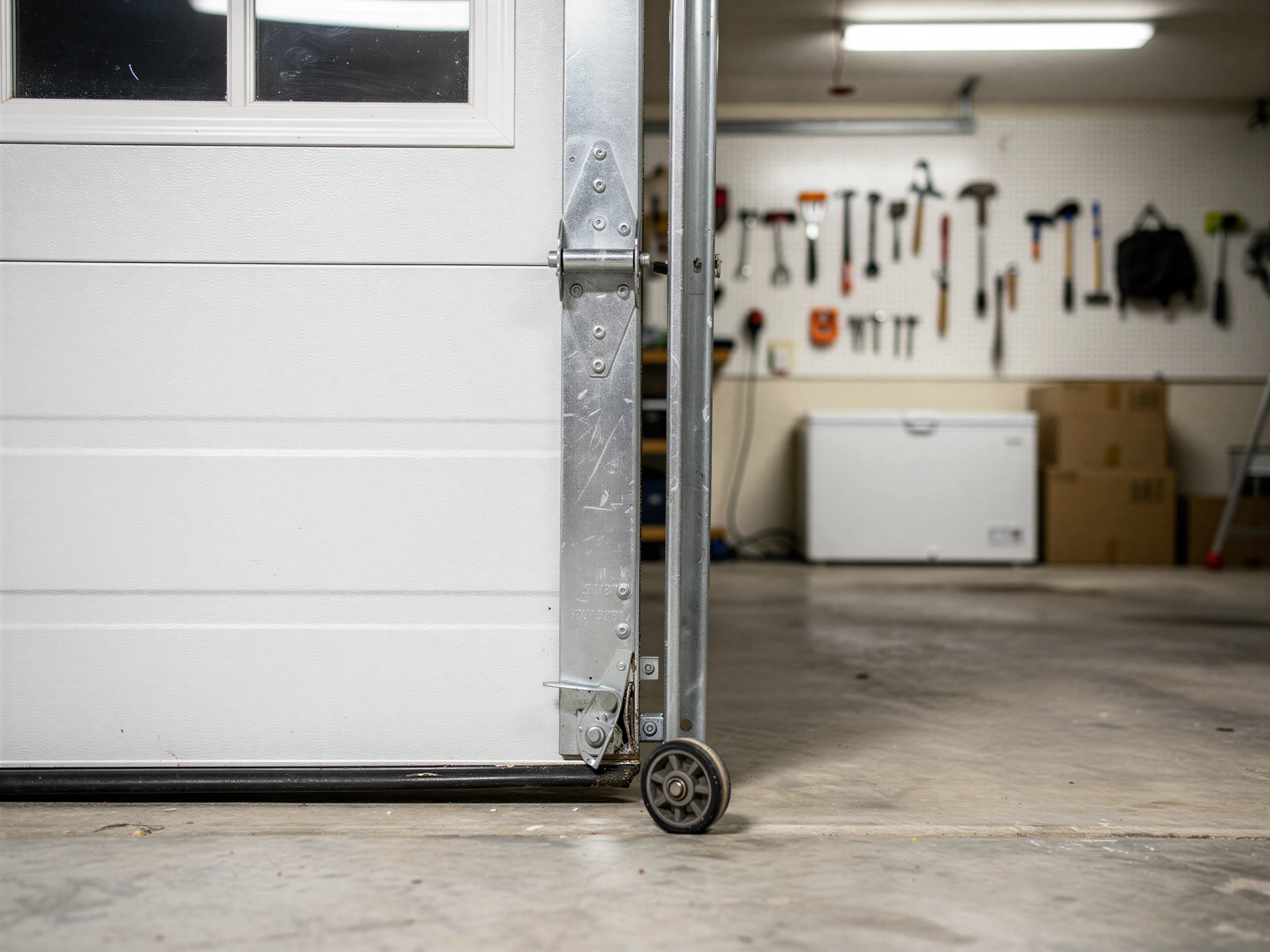
A white garage door is open, showing a garage interior with tools.

Garage Door Off Track in McDonough, GA

Off track garage doors are common in McDonough's older housing stock. Learn more →
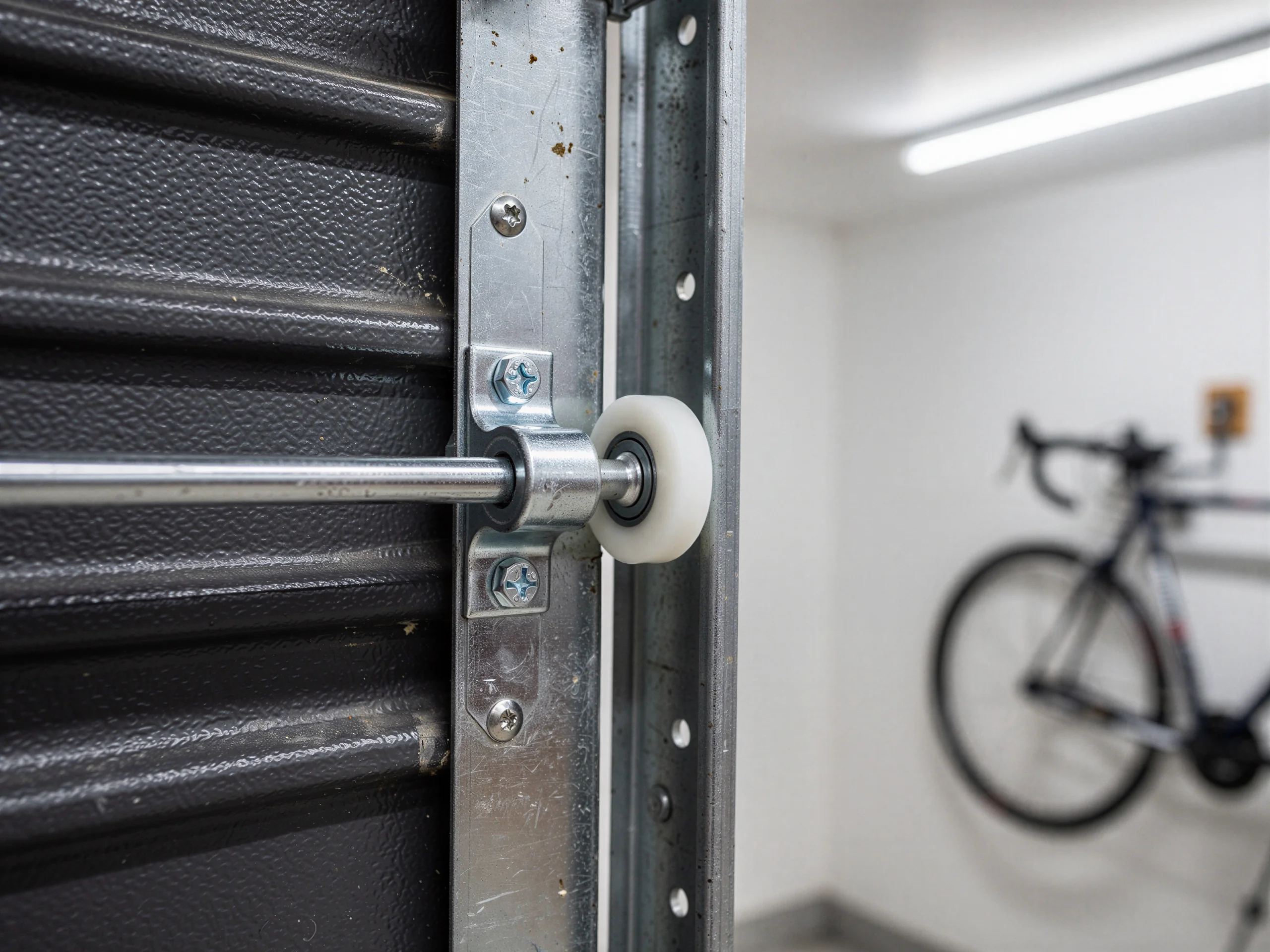
A garage door roller is visible on a metal track, with a bicycle in the background.

Garage Door Roller Replacement, McDonough GA

McDonough homes built from the 1960s through the 2000s wear out rollers differently. Learn more →

Ready when you are

Garage door trouble in McDonough?

McDonough Garage Door Pros repairs and installs garage doors, springs and openers in McDonough, GA and the surrounding area.

Call NowGet a quote