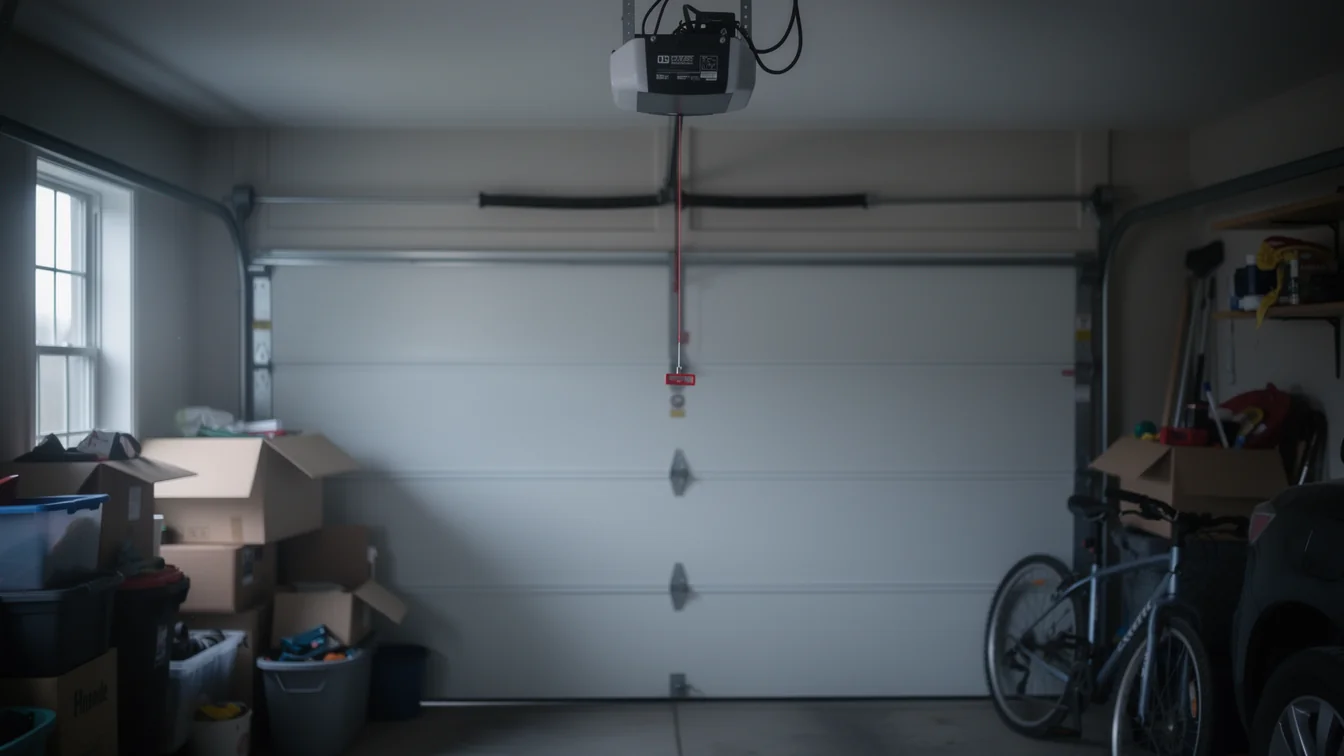
 When the Opener Dies and the Power Goes With It
McDonough's 1960s-70s housing stock often runs openers with no battery backup.
What a Garage Door Service Call Actually Covers in McDonough
A plain look at what happens when McDonough Garage Door Pros comes to your house, based on the 1960s-70s housing stock and cold-moderate winters common across the area.
Local detail
When to Get Help
Most of the garage doors we open up here were installed on houses built between 1938 and 2007, with the bulk going up in the 1960s and 70s across the neighborhoods we cover. That matters because a door that age is usually running its original torsion spring and track hardware, not something replaced in the last ten years. If the door is noticeably heavier to lift by hand, if it slams the last foot instead of settling, or if the opener strains and reverses on its own, that's the spring giving out, not the opener failing. Call before it snaps a cable on the way down. A door that's off track or binding on one side is also worth a call now rather than later, because forcing it with the opener motor tends to turn a $200 fix into a $600 one. Across the roughly 15,752 owner-occupied houses in this service area, the spring is the single most common reason for a call, and it's rarely an emergency if you catch it at the grinding-and-slow stage instead of waiting for the snap.
The area
What Is Going On
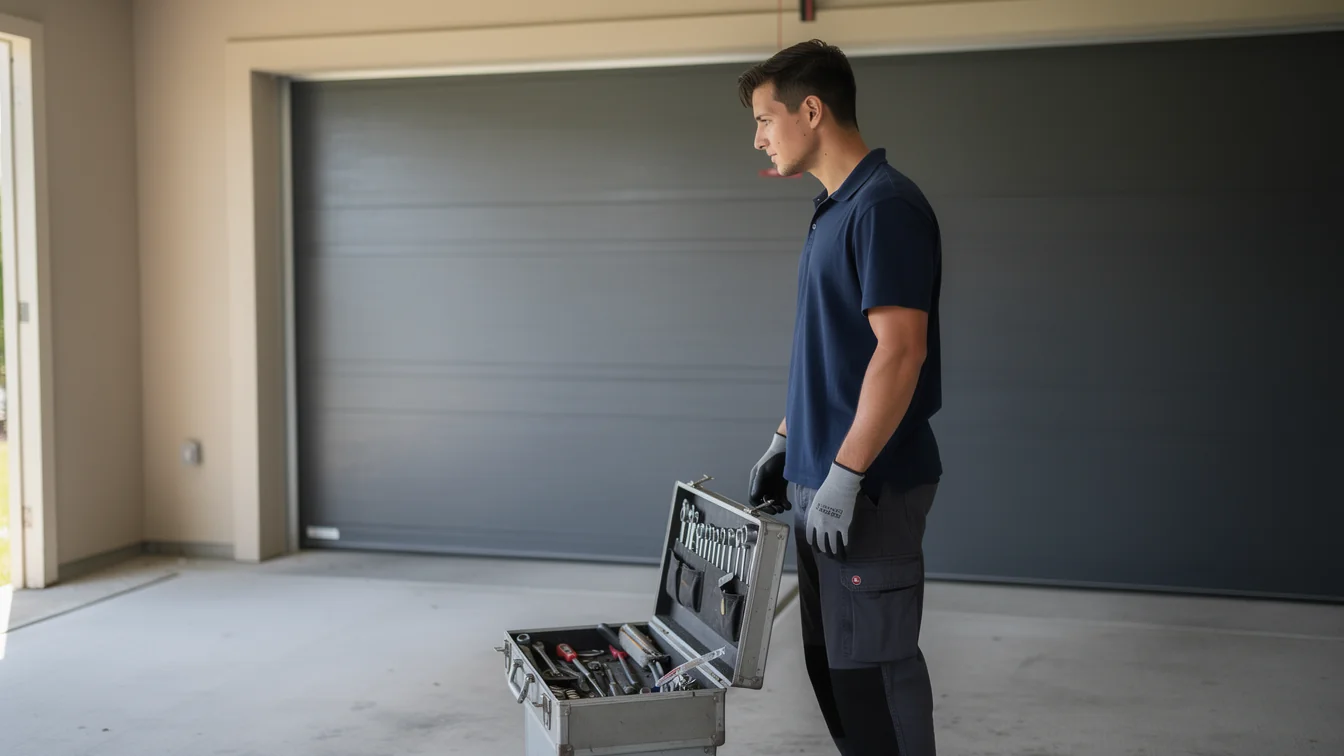
A service call starts with us looking at what's actually original to the house versus what's been swapped out. On a house built in the 1960s or 70s - which covers most of the stock out here - the spring and track hardware is often original, sized for a lighter door than what's currently hanging on it, since doors have gotten heavier with insulation over the decades. We check spring wind count, cable fraying, roller wear, and whether the track is still square to the opening. If the opener is newer than the door itself, which is common, we also check whether the force and travel settings were ever adjusted after installation, because factory defaults rarely match an older, heavier door. One honest limit here: if the drum and spring are both original from a 1970s build, we're not going to patch just the cable and call it done. Mixed old and new parts on torsion hardware is how a door comes apart later, so we replace the pair together even though that costs more up front.
What we find
The Seasonal Bit
McDonough sits in a cold-moderate climate band - real winter cold some weeks, nothing like a mountain climate, but enough temperature swing to matter for steel and lubricant. Grease that moved fine in August gets stiff by January, and a stiff roller or hinge puts extra load on a spring that's already working at the edge of its rated cycles. We see more spring failures called in during the first cold snap of the season than any other time, not because the spring suddenly wore out, but because cold steel is less forgiving of a spring that was already near the end. If your door has gotten noticeably louder or slower to open since the weather turned, that's usually the tell. It's a cheap fix if you catch it before the spring actually lets go - lubrication and a tension check - and a bigger one if you wait.
How we work
What the Weather Here Does to It
The cold-moderate swing through the year means metal track and hardware contract and expand more than people expect for a place that doesn't get brutal winters. On older doors - and with median build year around 1976 across the area, a lot of doors here qualify - that movement loosens track bolts and hinge screws over the years in a way that's invisible until the door starts walking sideways on its track. Humidity swings do something similar to wood-trim doors from that era, where panels can swell slightly in summer and shrink back in winter, which changes how the door seats against the weatherstrip. None of this is dramatic, which is exactly why it gets ignored. A service call in this climate usually includes a track alignment check and a look at panel seating, not just the spring, because the two problems tend to show up together on a house that's been standing since the 60s or 70s.
Questions
Common questions
How do I know if it's the spring or the opener?
If the door is heavy to lift by hand with the opener disconnected, it's the spring. If it lifts fine by hand but the opener struggles or reverses, the problem is usually the opener's force setting or the drive gear. A service call checks both, but the hand-lift test is something you can do yourself first.
Why does my door act up more in winter?
Cold stiffens the grease on rollers and hinges, which adds load to a spring that's already working at the edge of its lifespan. McDonough's winters are cold enough to cause this but not severe, so it's usually a maintenance issue rather than a sign you need heavier-duty parts.
My house was built in the 1960s - should I expect original parts?
Likely yes on the track and spring hardware, since that's common across this area's housing stock. Original hardware from that era was often sized for a lighter door than what's hanging now, which is part of why spring failure is the most frequent call we get from older houses.
Do you ever recommend against a repair?
Yes. If the spring and drum are both original and worn, we replace them as a pair rather than patching one side, since mixed old and new torsion hardware tends to fail again soon. We'll tell you when a repair isn't worth doing instead of just doing it anyway.
Recommendation
You Might Also Like
More garage door guides for McDonough homeowners.
When the Opener Dies and the Power Goes With It
McDonough's 1960s-70s housing stock often runs openers with no battery backup.
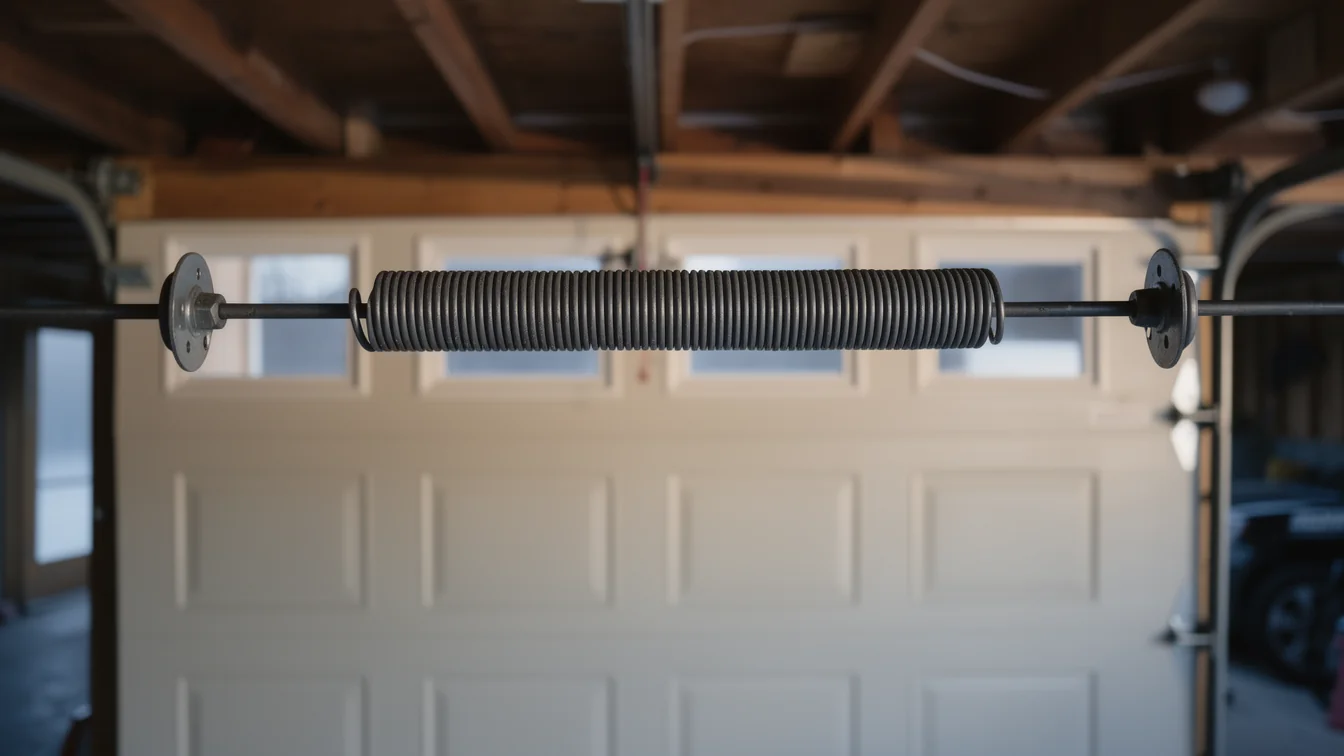 A Broken Spring on a Cold McDonough Morning
McDonough homes built mostly in the 1960s-70s see more cold-weather spring failures.
 Old Doors, No Insulation: What McDonough Homeowners Are Dealing With
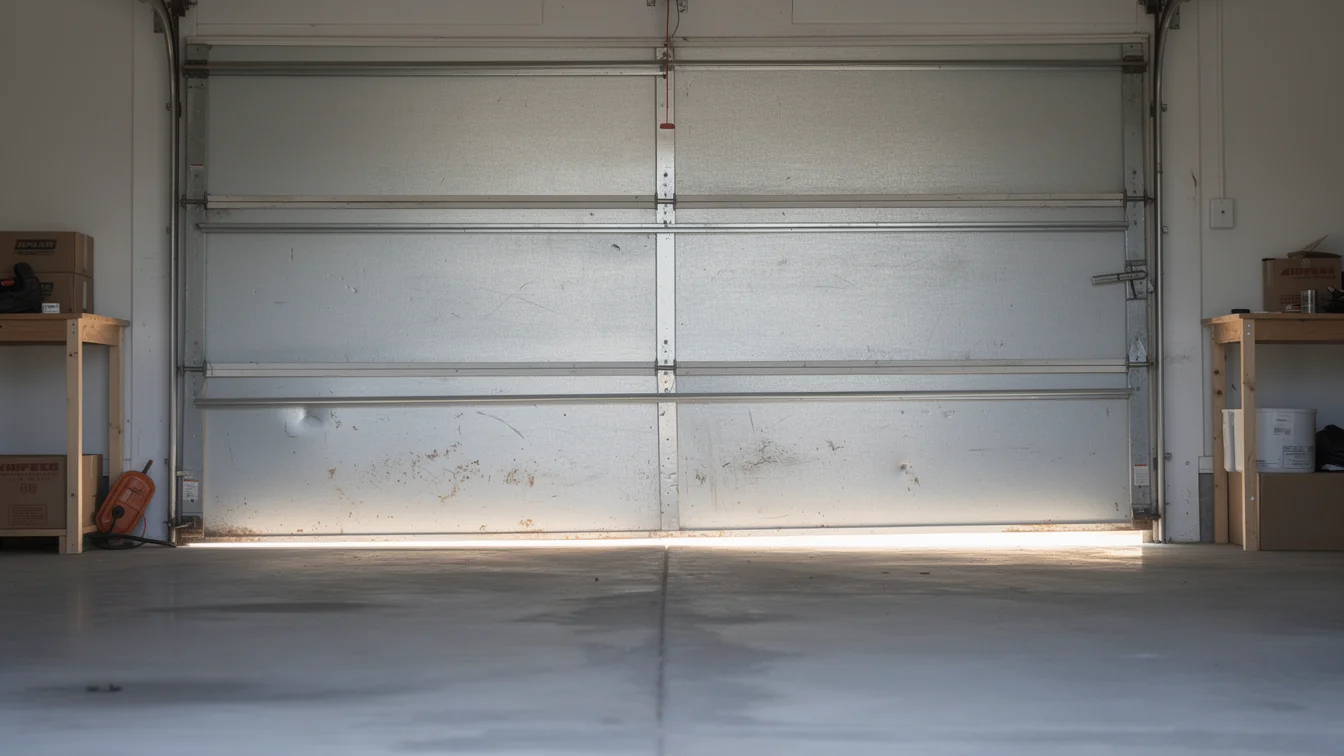
McDonough homes built 1960s-70s often have single-layer steel doors with no insulation.
Ready when you are
Need a garage door sorted in McDonough?
McDonough Garage Door Pros repairs and installs garage doors, springs and openers in McDonough, GA and the surrounding area.