 Old Doors, No Insulation: What McDonough Homeowners Are Dealing With
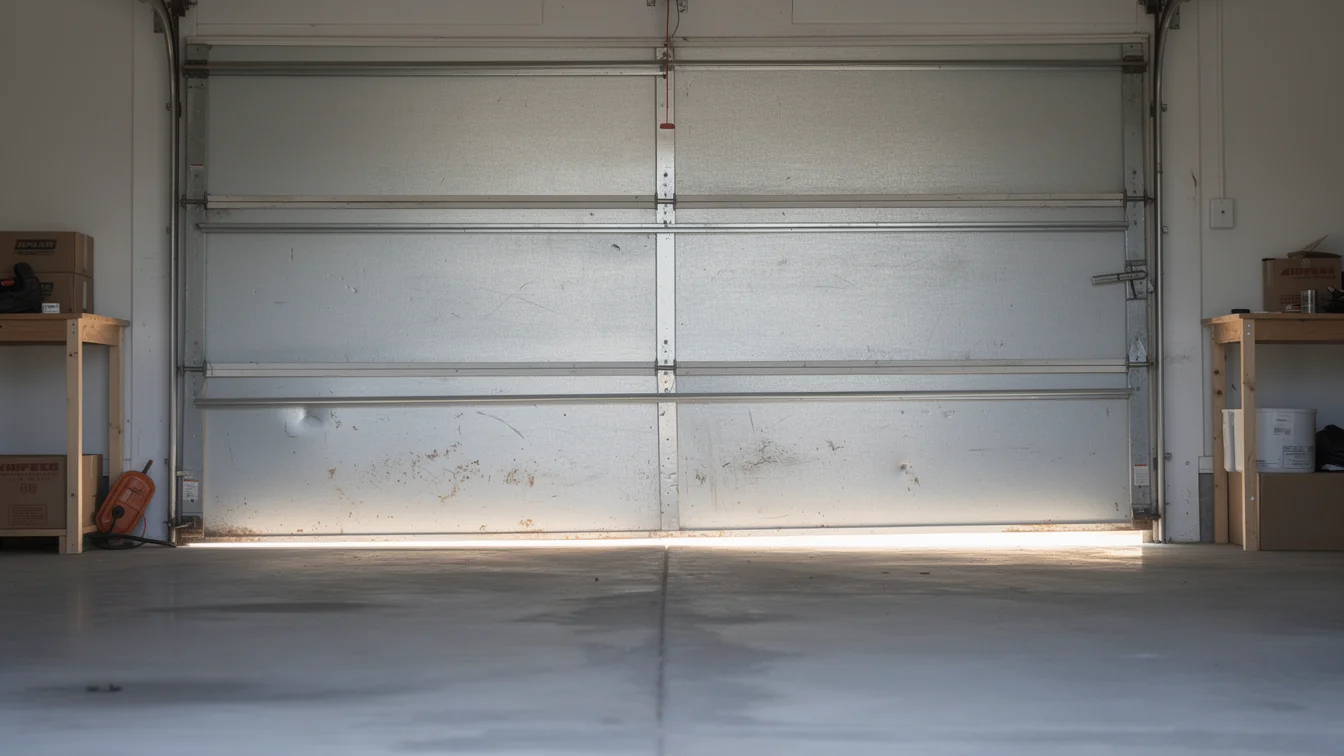
McDonough homes built 1960s-70s often have single-layer steel doors with no insulation.
Deciding Whether to Fix or Replace an Older Door in McDonough
Most McDonough houses date to the 1960s-70s with a median year of 1976. Here's how to tell if your original door and hardware are worth repairing or past it.
Local detail
When to Get Help
If your door is slow to open, drops the last foot instead of settling, or the opener strains and reverses on its own, that's not a lubrication problem you fix with a can of WD-40. Those are signs the torsion spring has lost tension or a cable is fraying, and on a door this age the fix usually means matching obsolete hardware, not just tightening a bolt.
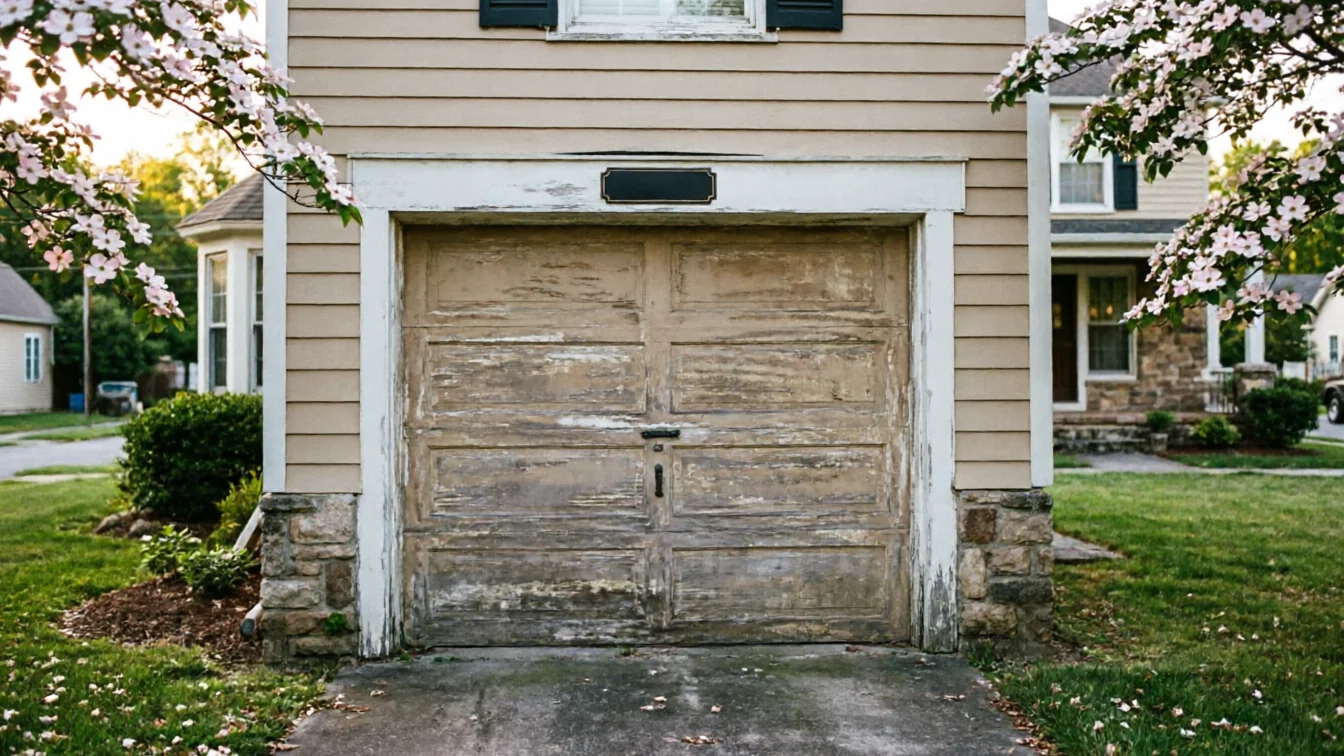
Most houses in McDonough went up between 1938 and 2007, with the median landing around 1976, which puts a lot of original hardware past the forty-year mark. A spring built in that era was sized for a lighter panel than what's sold today, so when it finally gives out, it tends to go all at once rather than gradually.
Call sooner rather than later if the door won't stay up on its own, if you hear a loud bang from the spring area, or if a cable has visibly separated. Those are the calls that turn into a stuck car and a locked garage if you wait a week to decide.
The area
What Is Going On
Across the seventeen named areas that make up this service territory, the bulk of the stock dates to the 1960s and 70s, the exact era when steel torsion springs and single-plate track brackets were standard. That hardware was built to last, but it wasn't built to last forever, and forty to sixty years of daily cycling wears out the galvanized coating on a spring and loosens the fasteners on a track bracket in ways that aren't always visible from the floor.
With 15,752 owner-occupied houses out of 37,107 households in this area, a large share of the doors we're asked about are original equipment, not a later swap. That matters for cost. At a median household income of $50,060, the decision to repair or replace often comes down to whether the panel itself is still sound. A door with surface rust and a few dented panels but a straight frame is usually worth fixing. A door with rotted wood backing or a bowed track rail usually isn't.
What we find
The Seasonal Bit
McDonough sits in a cold-moderate climate band, so the panel seams and spring coils here go through a freeze-thaw cycle every winter that doesn't let up until spring. That cycle is hardest on doors that were installed decades ago, before manufacturers paid much attention to weatherstripping or insulated cores. Cold tightens steel, and a spring that's already lost some of its temper from age can snap under that extra tension on the first genuinely cold morning of the season.
A door built during the 1976 median year for this area was engineered for insulation standards and spring tension ratings that don't match today's heavier steel panels. If you've added a newer, heavier door slab to an older frame and track system at some point, that mismatch shows up as extra strain right when the temperature drops, which is exactly when a tech visit is hardest to schedule.
We can't make an old spring last forever, and we won't tell you a tune-up will fix a frame that's already pulling loose from the studs.
How we work
What the Weather Here Does to It
The cold-moderate band McDonough falls in means the garage sees real temperature swings across a year without the extreme freezes that crack concrete slabs outright. What it does instead is slower and harder to notice: steel contracts a little every cold night and expands again every warm afternoon, and over forty or fifty years that constant small movement works screws loose in the jamb and wears the roller channels wider than they started.
On an original door from the 1960s or 70s stock common across this service area, that wear shows up as a door that rattles more than it used to, or rollers that have started to bind on one side of the track. Neither is an emergency on its own. Both are worth a look before the next cold snap makes them worse. A door that's otherwise sound structurally, with tracks that can be realigned and rollers that can be swapped, is almost always worth fixing rather than replacing outright.
Questions
Common questions
My garage door is original to the house. Is it even worth repairing?
Usually, yes, if the frame is square and the panels aren't rotted or badly bent. A lot of the doors we see in this area are original to houses built in the 1960s and 70s, and the steel skin and frame on those often outlast the springs and rollers by decades. Replace the worn parts first and see how the door runs before you write it off.
Why did my spring break in cold weather and not before?
Steel loses a little flexibility as it cools, and a spring that's already worn from decades of cycling has less margin left to absorb that stiffness. In a cold-moderate climate like ours, the first hard cold morning of the season is a common time for an aging spring to finally snap, especially if it's been making noise or looking rusty for a while.
How do I know if it's cheaper to fix the door or replace it?
If the problem is springs, cables, rollers, or track alignment, repair almost always costs less than replacement. If the panels are rotted, the frame has pulled away from the studs, or you need parts for hardware that stopped being made years ago, replacement usually wins. We'll tell you straight which side of that line your door is on.
Recommendation
You Might Also Like
More garage door guides for McDonough homeowners.
Old Doors, No Insulation: What McDonough Homeowners Are Dealing With
McDonough homes built 1960s-70s often have single-layer steel doors with no insulation.
 The Noise Your Door Is Making Isn't Random
Most McDonough homes date to the 1960s-70s building boom.
 Why Your Garage Door Jumps the Track
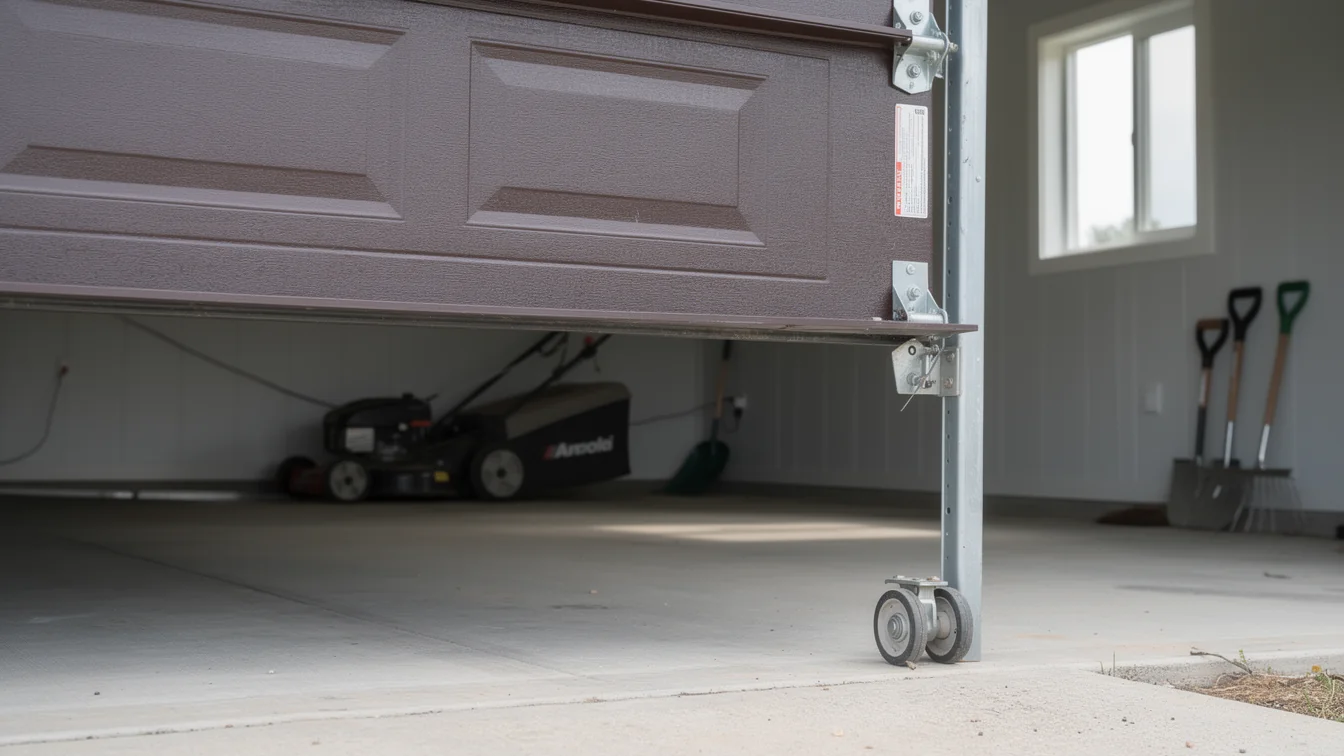
McDonough homes built mostly in the 1960s-70s have track hardware that wasn't made for today's loads.
Ready when you are
Need a garage door sorted in McDonough?
McDonough Garage Door Pros repairs and installs garage doors, springs and openers in McDonough, GA and the surrounding area.