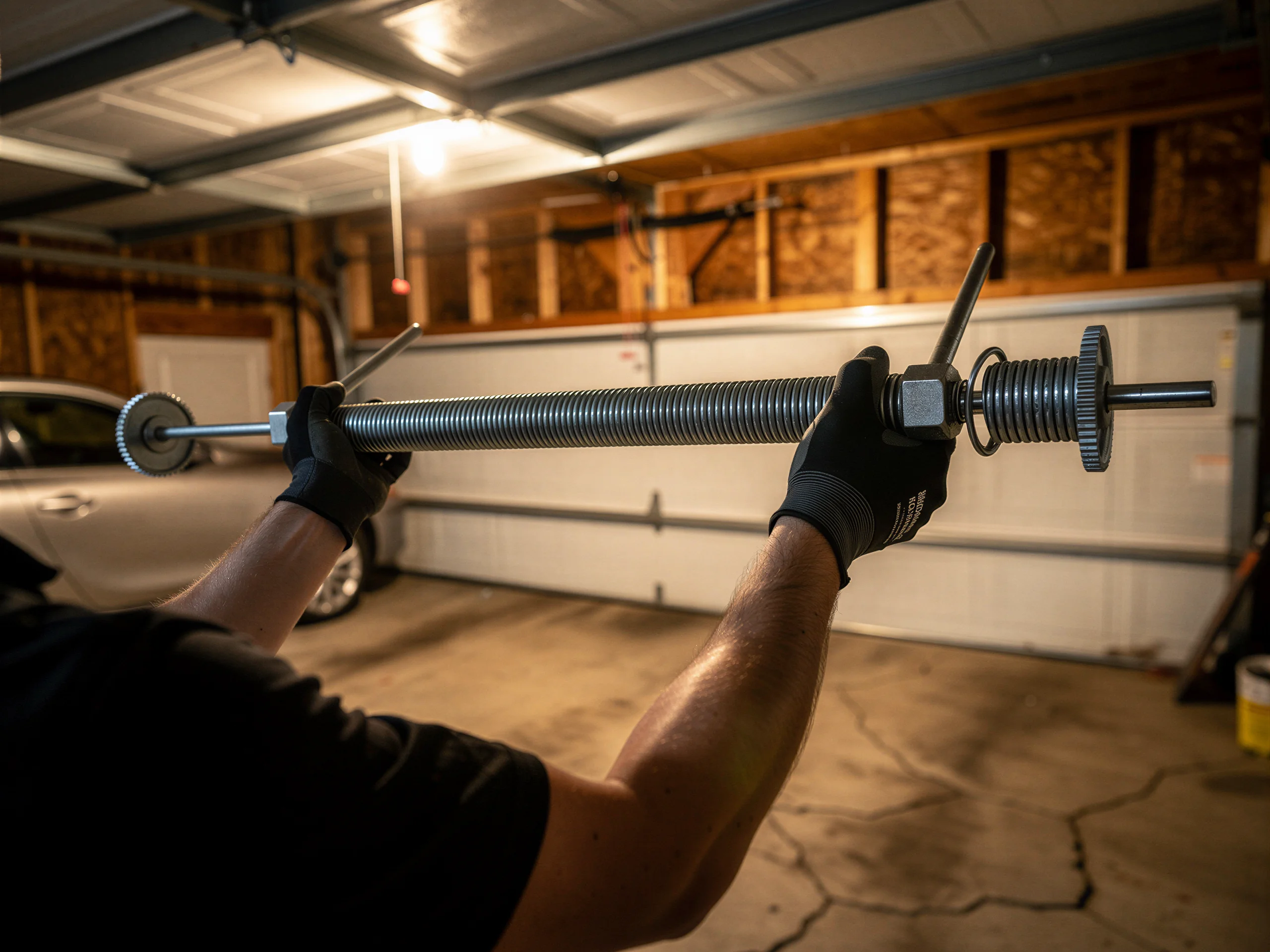
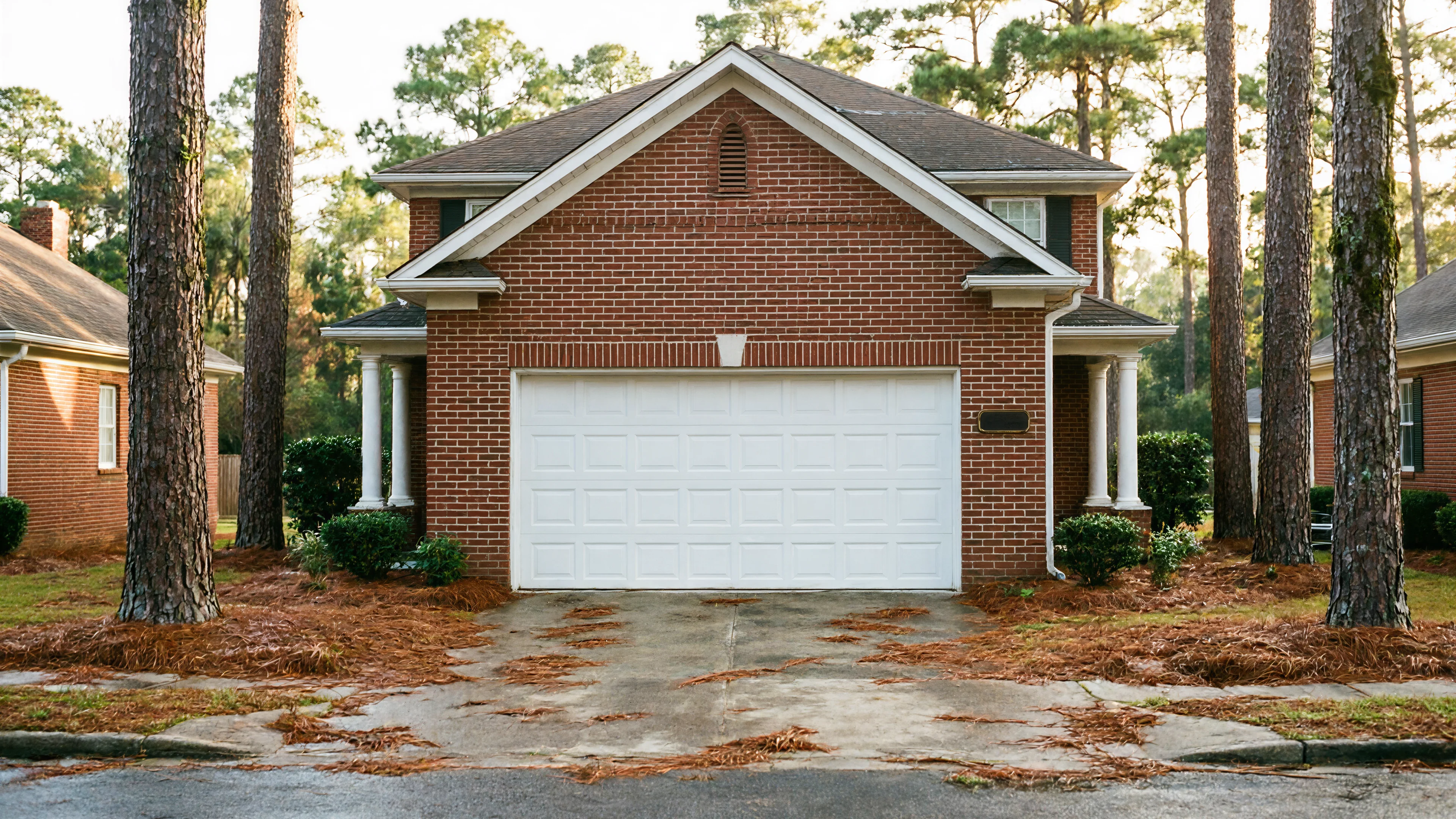
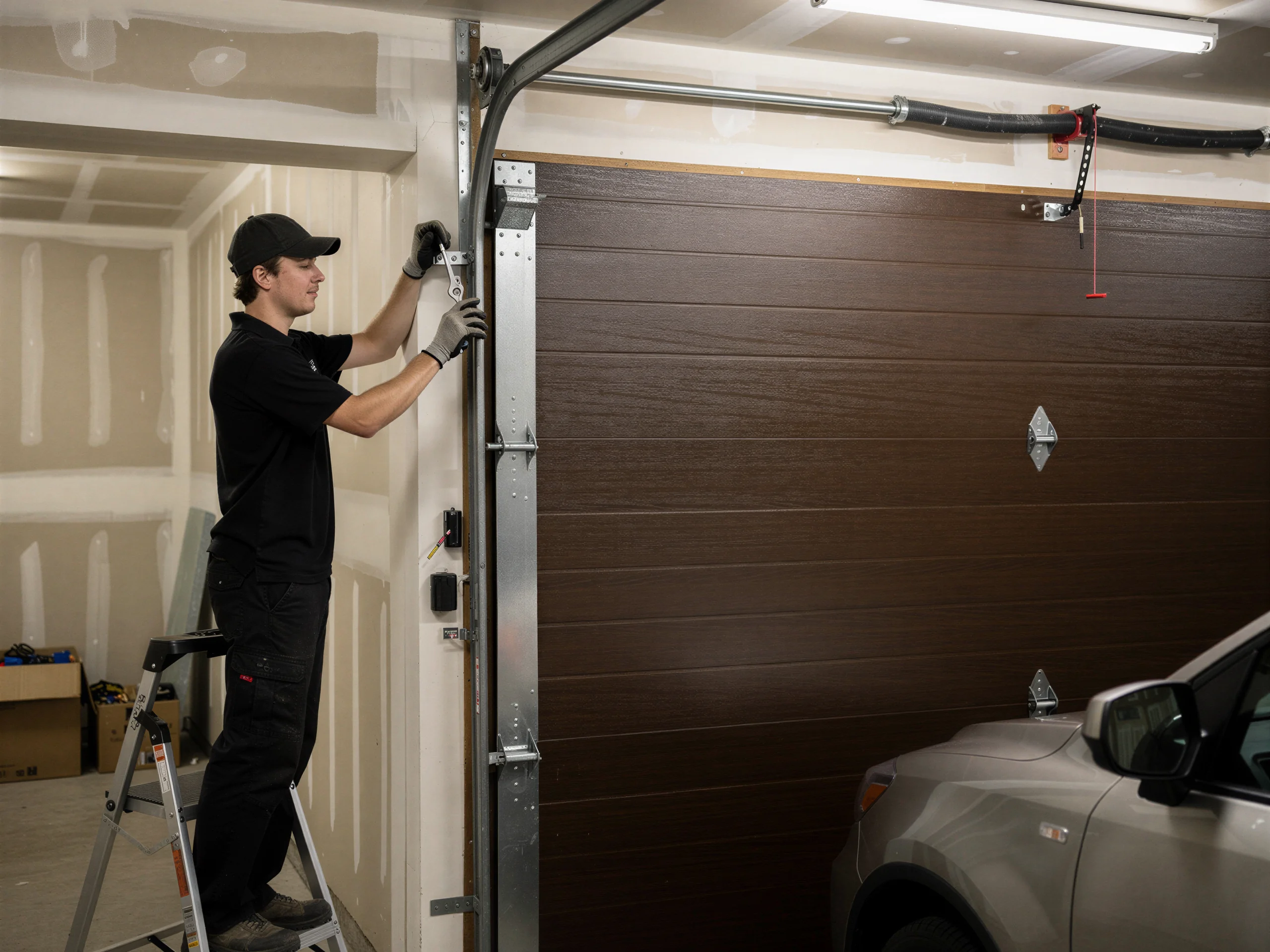
Housing in this service area went up mostly between 1938 and 2007, with the median build year sitting around 1976. A torsion spring is rated for a set number of open-close cycles, usually somewhere around 10,000, and a door that old has been through that count and then some, often with the original spring still hanging on the shaft because nobody thought to replace it before it let go.
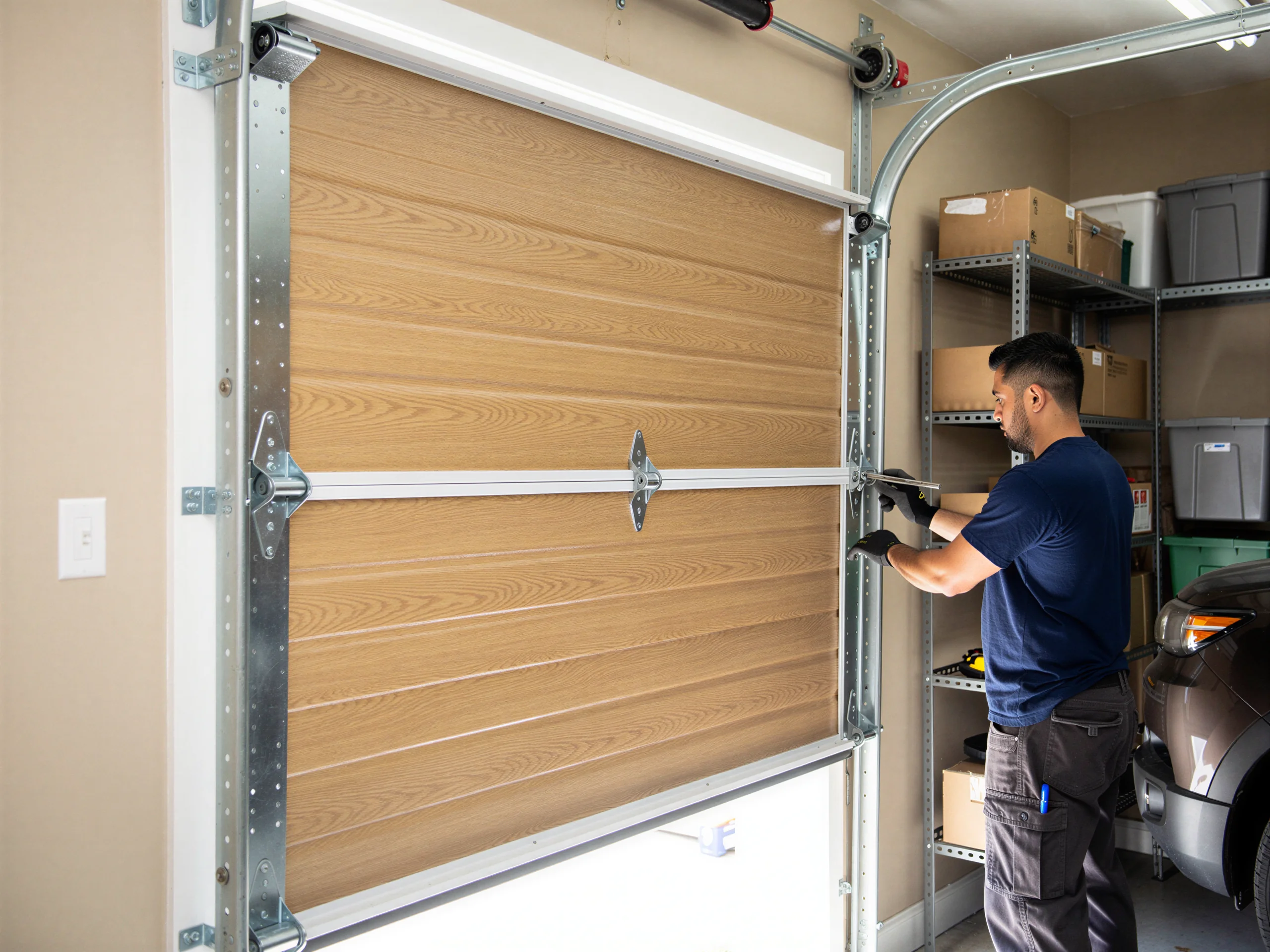
Across the 17 named areas that make up this market, the bulk of the housing stock dates to the 1960s and 70s, which means steel sandwich-panel doors that are heavier than the lighter builds you'd see going up new today. Heavier doors put more load on the spring with every cycle, and springs sized correctly in 1972 were sized for a door that's had decades of sun, moisture, and temperature swings since.
The climate here is cold-moderate, not brutal, but it still swings enough each winter to contract and expand the steel coil repeatedly. That expansion and contraction is exactly what fatigues metal over time, and it's happening to hardware that was already old before the first hard freeze of a given year hit it. None of this shows up overnight. It shows up as a sudden bang in the garage on a Tuesday morning when the spring finally gives.